Judge Cheryl M. Wiltshire, who has served as Cleveland’s elected housing court judge for about 11 months, recently sat down with Signal Cleveland to clarify what her court can and cannot do for renters and property owners.
Judicial authority is limited to code violations
Wiltshire stressed that the court does not “create” cases by going out to inspect properties. “One of the biggest misconceptions is that housing court actually creates cases,” she said. “We go out and we take a peek at a property and we haul them in. But I’m trying to get people to understand that that’s not housing court’s role.”
Instead, the court can only act on code‑violation complaints brought by city prosecutors or the Department of Building and Housing. When a landlord fails to maintain a rental, the court can order repairs if a formal complaint is filed, but it cannot patrol every building or dictate rent amounts.
Efforts to reach out‑of‑town owners
Many investors own Cleveland properties from afar, including owners from California, Maryland, Sweden, Brazil and the South Pacific. While the mayor’s administration has warned “predatory landlords” against neglect, Wiltshire said she treats each case on its own facts. “I am not lumping owner A and owner B, owner C together,” she explained.
To improve outreach, the court allows remote hearings via Zoom and is considering hiring process servers to deliver papers to hard‑to‑reach defendants. Currently, the city serves most defendants by certified mail.
Rent is at an all‑time high, but the court cannot cap it
“Rent is sky high,” Wiltshire noted, describing the current market pressure on Cleveland families. While the court cannot order landlords to keep rents low, it does provide resources. A social worker is on staff to help defendants locate assistance, and summonses include information about Legal Aid Society services. Wiltshire is reviewing the summons packets to ensure tenants don’t miss that information.
Inheritance and paperwork challenges
The judge also sees a growing number of cases involving heirs who have inherited homes but lack proper deed paperwork. If a deed was never recorded with Cuyahoga County, the court still views the deceased owner as the legal owner until the paperwork is corrected. In such situations, the court refers families to public defenders or the county’s Great Estates program for help.
Proposed community resource center
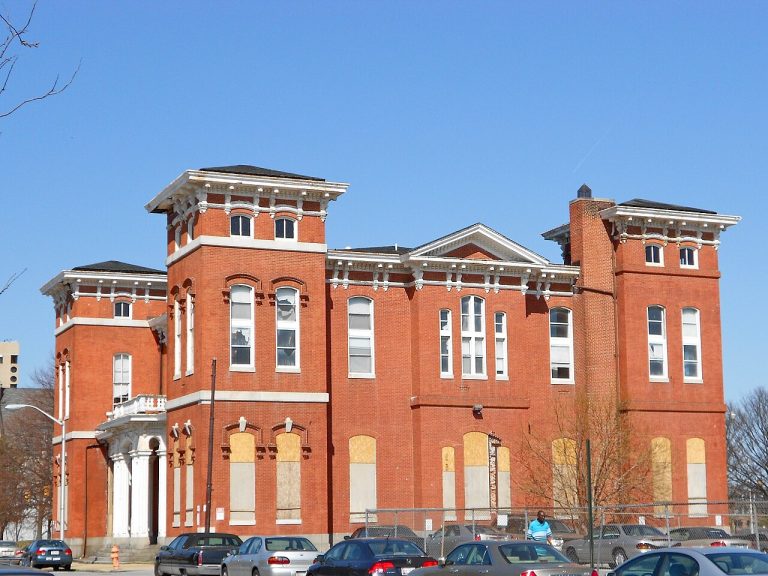
Earlier this year, Wiltshire suggested converting the closed Tremont Montessori school into a Housing Justice & Community Resource Center, offering courtrooms, meeting rooms and counseling services under one roof. The proposal was not adopted; the city chose a developer to turn the building into housing.
Despite the setback, Wiltshire’s push highlights a desire to bring judicial services closer to neighborhoods, a concept that aligns with Mayor Justin Bibb’s broader effort to hold landlords accountable while respecting the limits of the court’s authority.
Appellate decisions shape court powers
Recent appellate rulings have reinforced the court’s boundaries. An Ohio appellate court overturned parts of a probation order that had required a landlord to obtain court approval before selling property, among other conditions. Wiltshire affirmed that housing court can only impose remedies directly related to the specific code‑violation case before it.
In sum, Judge Wiltshire acknowledges the frustration many renters feel as rents climb, but she remains focused on enforcing existing code‑violation laws, providing tenant resources, and respecting the legal limits of her courtroom.
Original reporting: Signal Cleveland — read the source article.