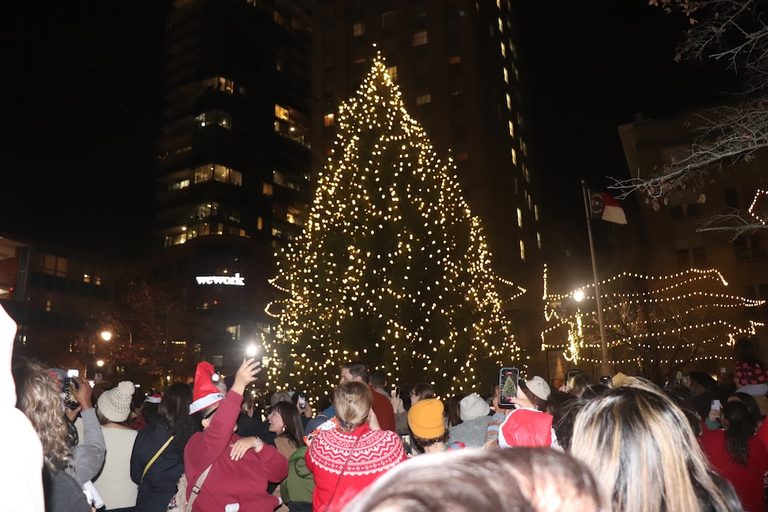
Durham’s downtown buzzed this past Saturday as crowds gathered in CCB Plaza for the annual Christmas tree lighting. When the tree illuminated at “one,” cheers erupted, children queued for photos with Santa, and pop‑up booths showcasing local merchants lined the square. The festive scene underscores a broader effort by Durham Next, the city’s economic‑development agency, to turn tourism into a lasting engine of growth for both visitors and longtime residents.
Tourism‑Driven Investment
Durham Next announced in August that it will invest $535,000 in a slate of festivals, community events and cultural experiences through its inaugural Community Investment Program. The money comes directly from the occupancy tax collected on overnight hotel stays – meaning that the revenue generated by tourists is being reinvested to attract even more visitors.
Executive Director Tara Kenchen explained the dual purpose of the program: “We want to encourage Durham’s visitor economy, but also, and more importantly, benefit residents here in Durham.” By channeling tax dollars back into the community, the agency hopes to create events that feel authentic to the city’s character while drawing new travelers.
New and Returning Festivals
Among the initiatives funded this year are several new festivals. The City of Wander will kick off the winter holiday season with local food vendors, window art installations and the traditional tree lighting. Iron Pour will showcase metal‑casting, glassblowing and blacksmithing demonstrations, giving artisans a platform to share their crafts.
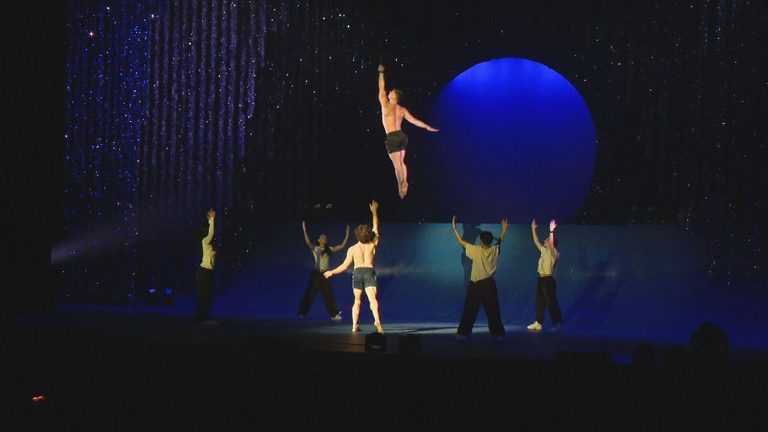
Durham Next is also supporting upcoming cultural celebrations such as Kwanzaa Fest, featuring an African‑American dance ensemble on New Year’s Day, and the Hayti Heritage Film Festival, one of the nation’s longest‑running Black Southern film festivals. Kenchen emphasized that these events are designed to be “for everyone,” not just tourists, allowing residents to enjoy high‑quality cultural programming in their own neighborhoods.
Economic Impact and Community Benefits
Durham has been recognized nationally for its rapid growth. The city appears on CNN Travel’s list of the top 25 “Most Underrated Destinations” and ranked second in a new “Geography of Prosperity” index. In 2025, visitors spent a record $1.52 billion in Durham, highlighting the importance of tourism to the local economy.
Kenchen argues that reinvesting tourism dollars helps preserve Durham’s “authentic” feel. “A part of it is just leveraging the things that are already happening, but not trying to change them or adjust them for visitors,” she said. She warned that without the influx of visitor spending, many local businesses could struggle to stay afloat.
Looking Ahead
Since taking the helm at Durham Next, Kenchen has spoken frequently about raising Durham’s profile beyond the shadow of nearby Raleigh. She envisions a future where travelers proudly see “Durham” on airport welcome signs and feel welcomed by a city that is inclusive, innovative and deeply rooted in its heritage.
“We would really like it to be a place that welcomes visitors – the most welcoming, inclusive, innovative place to live in the United States,” Kenchen said. The new festival funding is a concrete step toward that vision, aiming to create vibrant experiences that benefit both tourists and the families who call Durham home.
Original reporting: The 9th Street Journal (Durham) — read the source article.