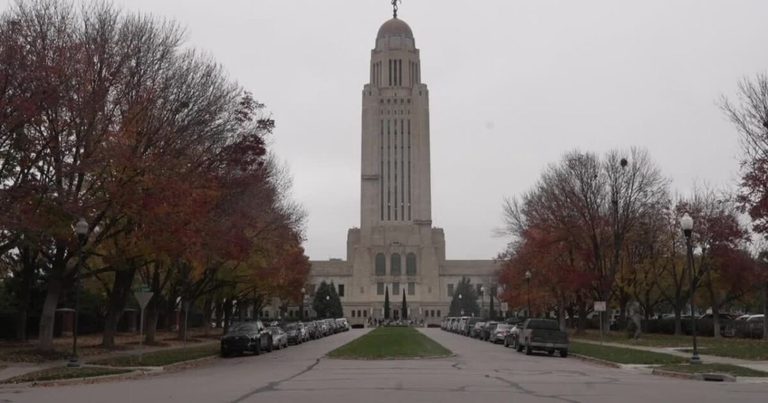
Omaha, Neb. – Families caring for children with disabilities are sounding the alarm after the Nebraska Department of Health and Human Services announced a series of Medicaid and disability‑service budget reductions that will be phased in over the next two years. The cuts are part of the state’s effort to address a persistent budget shortfall.
State defends the reductions
In a statement, DHHS said the state’s reimbursement rates remain competitive with neighboring states and that the adjustments are intended to preserve Medicaid’s long‑term viability. “These actions will protect Medicaid’s ability to serve Nebraskans who need it today while ensuring the program remains available to those who will need it tomorrow,” the department said.
Families fear loss of care
Vince and Andria Cogley, who provide round‑the‑clock care for their daughter Aidlyn, a child with severe disabilities, worry the reduced funding will force providers to limit services. “Our very real fear is that her providers are going to say this budget isn’t enough to take care of your daughter anymore,” Vince Cogley said.
The Cogleys say they have already felt the impact of earlier funding cuts. Aidlyn’s assistance was reduced after a state reassessment of her disability, even though her condition has not changed. The family also reports that compensation for family caregivers has fallen to $6.12 an hour.
Andria Cogley added, “We have heard multiple times from local and federal government that family caregivers should provide this care without expecting any pay in return. The bottom line is many of us have given up a career in order to be available for our children’s needs.”
Broader community concerns
The Cogleys argue that families of people with disabilities are disproportionately affected because their community lacks the political voice and financial backing of other groups. They plan to press Governor Jim Pillen and state lawmakers to reconsider the cuts.
Jeremy Nordquist of the Nebraska Hospital Association warned that additional reductions could increase pressure on rural hospitals already operating with slim margins. “The average operating margin of our rural hospital is about a percent and a half, just barely above break even, and that’s before these cuts start phasing in,” he said.
What the cuts mean for Nebraskans
While the state emphasizes that its rates remain comparable to surrounding states, families worry that lower reimbursement could lead providers to reduce services or close altogether, leaving vulnerable Nebraskans without essential care.
For now, the Cogleys remain focused on ensuring their daughter can live the best life possible. “You want your child to live their best life, and we’re responsible for helping her do that,” Andria said, urging the public to understand the stakes of the budget changes.
Looking ahead
The debate highlights the tension between fiscal responsibility and the need to protect vulnerable populations. As Nebraska moves forward with the budget plan, families and health‑care advocates will be watching closely to see whether the state can balance its books without compromising care for those who rely on Medicaid and disability services.
Original reporting: KMTV 3 News Now (Scripps) – local — read the source article.