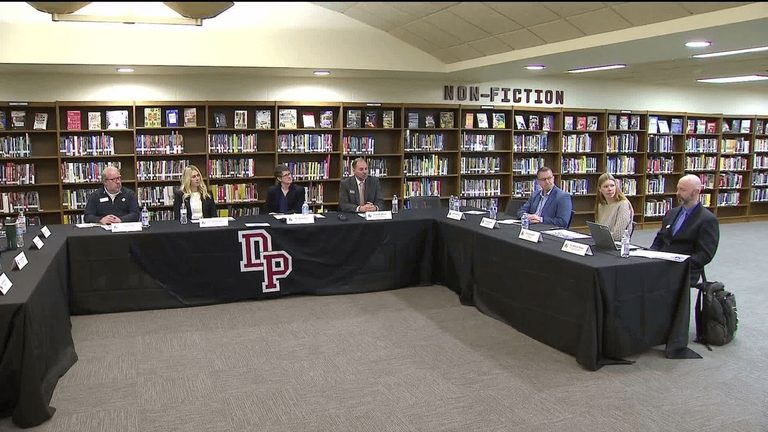
Madison, Wis. – In a move aimed at strengthening the future workforce and reinforcing family values, the Wisconsin Department of Public Instruction (DPI) introduced the “Wisconsin Portrait of a Graduate” on Thursday. The framework outlines a set of durable, human‑centered skills that students need to thrive in any career, regardless of how technology or the labor market evolves.
What the Framework Covers
The Portrait of a Graduate focuses on five core competencies: flexibility, adaptability, resiliency, creative thinking, and collaboration. These are described as skills that parents already use daily—whether at work, at home, or in relationships—and that will remain valuable even as specific jobs change.
State Superintendent Jill Underly emphasized the relevance of these abilities, saying, “Flexibility, adaptability, resiliency, creative thinking, collaboration skills that parents probably use everyday whether in the job, or at home, or in parenting, or in relationships.” The framework is intended to guide teachers, schools, and districts in curriculum planning, ensuring that every graduate leaves high school equipped for the real world.
Why Durable Skills Matter
Wisconsin’s economy, like much of the nation, is shifting toward roles that demand problem‑solving and interpersonal abilities more than rote memorization. By centering education on these durable skills, the state aims to reduce the mismatch between school preparation and employer expectations, a concern voiced by many business leaders and faith‑based community groups.
“Our families need children who can think on their feet and work well with others,” said a local business owner who attended the launch. “This framework aligns perfectly with the values we teach at home and the needs of our companies.”
Implementation and Community Involvement
The DPI plans to roll out the Portrait of a Graduate over the next school year, providing districts with resources, professional‑development workshops, and assessment tools. Schools will be encouraged to integrate the competencies into existing subjects rather than treating them as an add‑on.
Community input will be solicited through town‑hall meetings and online surveys, allowing parents, teachers, and faith‑based organizations to shape how the skills are taught. The DPI stresses that the framework is not a rigid checklist but a flexible guide that respects local autonomy.
Support from State Leaders
Governor Tony Evers praised the initiative, noting that it reflects a “commitment to preparing Wisconsin’s youth for a prosperous future while honoring the role of families in education.” The administration highlighted the framework as part of a broader effort to improve educational outcomes without expanding bureaucracy.
Critics who argue that the framework is too vague have been invited to submit specific suggestions during the public comment period. The DPI has responded that the emphasis on durable skills is intentional, allowing schools to tailor instruction to local needs while maintaining a common state‑wide vision.
Looking Ahead
As Wisconsin schools adopt the Portrait of a Graduate, educators and parents alike will watch for measurable improvements in student readiness for post‑secondary pathways, whether that means college, apprenticeships, or direct entry into the workforce. The DPI plans to release annual reports tracking progress on the five competencies, offering transparency for families and community stakeholders.
By focusing on skills that echo the everyday experiences of families and the demands of modern employers, Wisconsin hopes to set a standard that other states might follow, reinforcing the principle that strong education begins at home and is strengthened by thoughtful public policy.
Original reporting: FOX 11 WLUK Green Bay (local) — read the source article.