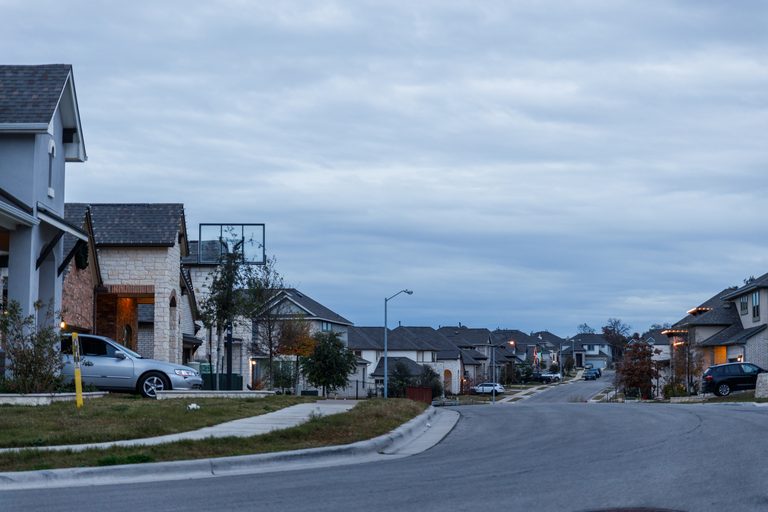
In the wake of a November election that highlighted Texans’ worries about the cost of living, Democratic legislators are preparing a property‑tax relief agenda that centers on bolstering public‑school funding and extending assistance to the state’s 4.1 million renters.
School funding as the cornerstone of relief
State Rep. Diego Bernal, a San Antonio Democrat and vice‑chair of the Texas House Public Education Committee, argues that the most effective way to ease homeowners’ tax burdens is to increase the state’s share of school financing. “The best form of property tax relief is funding public schools,” Bernal said. While this approach may not instantly shrink every tax bill, it aims to slow growth and stabilize payments.
Targeted help for renters
Democrats also plan to direct tax breaks toward renters, a group that has not benefited from previous property‑tax cut rounds. By reallocating resources, the proposal seeks to provide direct relief to those who lease homes and apartments across Texas.
Bipartisan possibilities
Any tax‑cut legislation will need support from the GOP‑controlled Senate. Gov.-elect Gina Hinojosa, a Democrat, has voiced support for ending at least some property taxes for homeowners—a stance traditionally championed by conservatives but often dismissed for its fiscal impact. Both parties appear open to reducing corporate tax breaks, especially for data‑center companies, as a way to free up money for homeowners and small businesses.
Rep. Brent Money, R‑Greenville, echoed this sentiment, noting that “corporate welfare” consumes state and local resources that could otherwise aid homeowners and small enterprises.
Republican legacy and voter sentiment
Under Republican leadership, Texas expanded targeted homeowner tax breaks, allocated billions to school districts to lower tax rates, and imposed tighter caps on new property‑tax revenue without voter approval. Those measures slowed tax‑bill growth, with about 60 % of homeowners age 65 and older no longer paying school property taxes.
Voters reinforced their opposition to higher taxes on the Nov. 3 ballot, rejecting roughly 80 % of measures that would have raised local property‑tax rates, according to a Texas Tribune analysis.
Fiscal realities for Democrats
Democrats will inherit a tighter budget environment than their Republican predecessors, who benefited from inflation‑driven surpluses. The state has already pledged $51 billion in property‑tax cuts every two years, a figure some lawmakers consider unwieldy.
Rep. Trey Martinez Fischer, a San Antonio Democrat and vice‑chair of the House Ways and Means Committee, emphasized that Texas does not face a revenue shortfall but must prioritize spending. “It’s a matter of prioritizing the need,” he said, citing long‑neglected areas such as healthcare, higher education, mental health, and parks.
Challenges and alternatives
Eliminating homeowners’ school property taxes entirely would require replacing a stable revenue stream with more volatile sales‑tax income. Experts warn that shifting the tax burden to renters or businesses could create fiscal instability, especially during economic downturns.
John Diamond of the Baker Institute noted that while cutting $52 billion in sales‑tax exemptions could generate funds, “I would not be for something that’s just a pure shift on the businesses and renters.”
Shannon Halbrook of the progressive think tank Every Texan argued that retaining a property‑tax component helps smooth revenue fluctuations, keeping school funding reliable.
Looking ahead
As Democrats prepare to take office, they will balance the push for tax relief with competing priorities, including increased investment in education and public health. The upcoming legislative session will reveal how much bipartisan ground can be found on corporate subsidies, school funding, and the broader property‑tax debate.
Original reporting: Texas Tribune (HLL/CB) — read the source article.