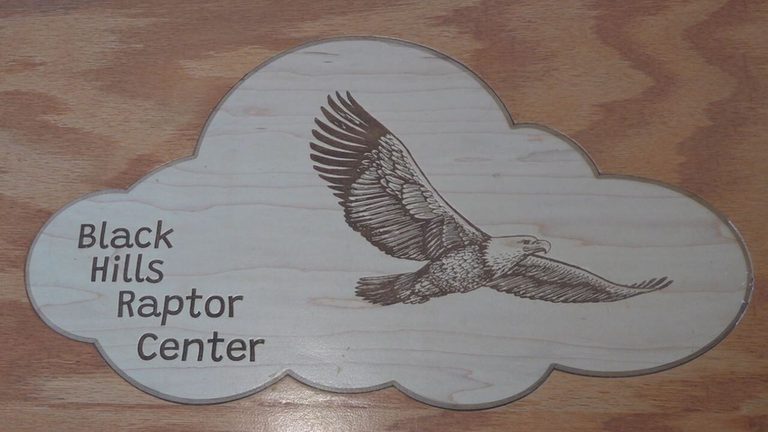
The Black Hills Raptor Center, a nonprofit dedicated to protecting birds of prey in the region, has issued a warning about a pending change to the Nebraska National Forests and Grasslands Plan. The proposal would expand the use of rodent poison across public lands in South Dakota and Nebraska, and the Center fears it could have serious consequences for eagles, hawks and other raptors that rely on the grasslands for food.
How the poison could affect raptors
According to the Center, the chemicals used in the bait interfere with normal blood clotting. When a rodent consumes the poison and is later eaten by a bird of prey, the toxin can cause internal bleeding, illness or death. The Center notes that raptors are top predators in the ecosystem, and a decline in their numbers could ripple through the food chain.
Public comment deadline
The federal agency overseeing the plan has set a deadline of Sunday, Nov. 22, for public comments. Residents, hunters, conservationists and anyone with a stake in the health of the grasslands are encouraged to submit their thoughts. Comments can be filed online through the agency’s website, which also provides additional details about the proposed changes.
Why the proposal matters locally
South Dakota’s grasslands are home to a significant population of golden eagles, red-tailed hawks and other protected species. The Black Hills Raptor Center stresses that expanding poison use could jeopardize these birds, which are not only iconic symbols of the region’s natural heritage but also draw wildlife enthusiasts and tourists to the area.
What the Center recommends
The Center urges the agency to consider alternative, non‑lethal rodent management strategies that would protect both agricultural interests and wildlife. Options such as habitat modification, targeted trapping or the use of less harmful bait are suggested as more balanced approaches.
How to get involved
Anyone interested in protecting the region’s raptor population can:
- Submit a comment before the Nov. 22 deadline.
- Contact the Black Hills Raptor Center for more information on the issue.
- Stay informed about future wildlife‑related policy proposals affecting the grasslands.
The Black Hills Raptor Center remains committed to safeguarding the birds that soar over the Black Hills and the surrounding plains. By voicing concerns now, residents can help ensure that federal land‑management decisions reflect both ecological stewardship and the values of local communities.
Original reporting: KOTA (Gray) – local — read the source article.