In a decisive move for federal authority, U.S. District Judge Christina A. Snyder issued a permanent injunction on November 17, 2026 that bars California from enforcing four state statutes against federal officers and agencies. The order ends a year‑long legal battle that began when the Justice Department sued the state in November 2025.
Settlement and Injunction Details
Rather than continue a protracted courtroom fight, the Justice Department, the State of California, Governor Gavin Newsom, and Attorney General Rob Bonta submitted a joint stipulation to settle the case. Judge Snyder’s order permanently stops state officials, employees, and agents from applying California Government Code Sections 7288 and 7289, as well as Penal Code Sections 185.5 and 13654, to federal personnel. The court dismissed the lawsuit with prejudice, meaning the decision is final, though the court will retain jurisdiction to ensure compliance.
Why the Federal Government Challenged the State Laws
The Justice Department argued that California’s regulations unlawfully limited how federal agents protect their identities and conduct their duties. According to federal attorneys, those limits jeopardized sensitive operations and exposed officers and their families to increased harassment, doxxing, and physical threats. The department framed the settlement as a clear victory for federal supremacy.
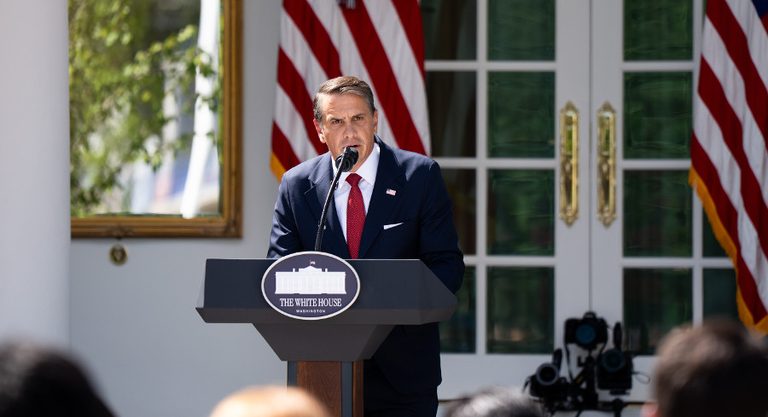
“Today’s permanent injunction confirms a basic constitutional principle: states do not have the authority to regulate the Federal Government or dictate how federal law‑enforcement officers perform their official duties,” said Associate Attorney General Stanley E. Woodward, Jr.
Acting Assistant Attorney General Jonathan D. Guynn added, “This permanent injunction protects both the supremacy of federal law and the safety of federal law‑enforcement officers. The Federal Government, not the states, gets to decide what equipment federal officers may use and what measures they may take to protect themselves while performing their official duties.”
Implications for State‑Federal Relations
The ruling underscores the constitutional hierarchy that places federal law above state attempts to control federal operations. It also signals the Justice Department’s broader strategy, under Attorney General Merrick Garland, to challenge state and local policies that the department believes interfere with federal law‑enforcement activities.
California officials have not yet issued a detailed response, but the injunction effectively ends the state’s ability to impose the contested statutes on federal personnel. The decision is likely to be cited in future disputes where states seek to regulate federal actions within their borders.
What This Means for Californians
While the injunction does not directly affect everyday Californians, it clarifies the limits of state power over federal agencies operating in the state. Residents can expect that federal officers will continue to operate under federal guidelines without state‑imposed restrictions on equipment, identity protection, or operational procedures.
Legal experts note that the decision may set a precedent for other states that have enacted similar measures aimed at federal law‑enforcement agencies. The federal government’s stance is clear: any state law that attempts to dictate how federal officers perform their duties will be subject to rigorous constitutional scrutiny.
Original reporting: Tampa Free Press — read the source article.