CHARLESTON, West Virginia – Starting in January, Medicaid recipients in the state will be subject to new work requirements established by the One Big Beautiful Bill Act, which President Trump signed into law last year. The rule applies to adults ages 19 to 64 who are enrolled in the Medicaid expansion under the Affordable Care Act.
Who is affected?
West Virginia currently has roughly 160,000 people enrolled in the expansion program. Under the new regulations, anyone without an exemption must complete at least 80 hours of work, job training, or volunteer service each month. State officials estimate that 75% of current enrollees are already meeting the requirement.
Exemptions and risk of loss
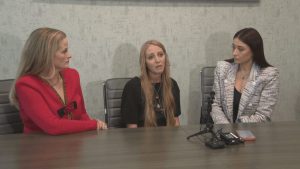
Kelly Allen, executive director of the West Virginia Center on Budget and Policy, explained that exemptions are granted for individuals with a child 13 or younger, those with a disability, or other qualifying circumstances. Initially, the Department of Human Services projected that about 33,000 West Virginians might be at risk of losing coverage.
However, after the federal Medicaid oversight agency issued stricter exemption guidelines—requiring proof that a serious health condition significantly impairs a person’s ability to work—the state revised its estimate. Allen said the new figure stands at roughly 40,000 people, an increase of 7,000 who could lose benefits if they do not comply.
What recipients should do now
Allen urged all Medicaid participants to update their information promptly through West Virginia PATH. Recipients should verify that the Department of Human Services has current addresses, income details, household size, and documentation of any serious health conditions. Accurate records will ensure that renewal notices reach the right people.
Potential grace period
The state is considering a six‑month grace period to give agencies and beneficiaries additional time to adjust. While no final decision has been made, Allen encouraged Governor Jim Justice, the Department of Human Services, and the Medicaid agency to adopt the extra time. A grace period would allow more residents to achieve compliance, increase public awareness of the new rules, and give the Medicaid system a chance to test its administrative processes.
Why the policy matters
The work‑requirement provision reflects the Trump administration’s emphasis on personal responsibility and workforce participation. Supporters argue that requiring work or training helps individuals gain skills, become more self‑sufficient, and reduces long‑term reliance on government assistance. Critics, however, warn that stricter exemptions could leave vulnerable populations without health coverage.
Next steps
Medicaid recipients should expect a formal letter outlining the new requirements and the steps needed to remain enrolled. Those who believe they qualify for an exemption are advised to submit supporting documentation as soon as possible. State officials continue to monitor implementation and will announce any decisions regarding the proposed grace period in the coming weeks.
For more information, West Virginians can contact the Department of Human Services or visit the West Virginia PATH website.
Original reporting: WCHS Eyewitness News Charleston (local) — read the source article.