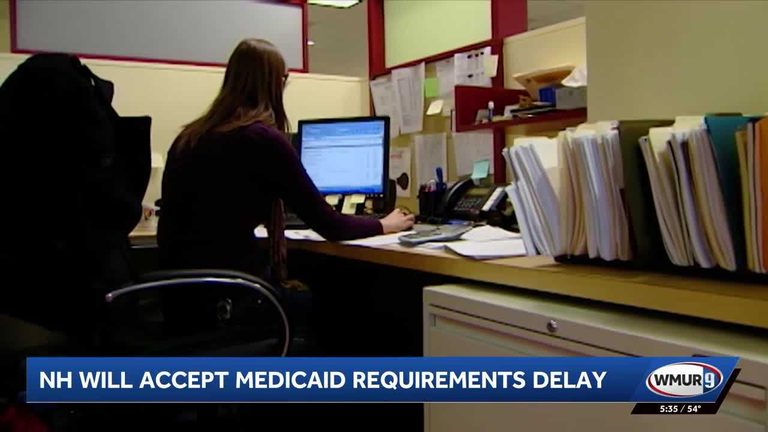
Manchester, N.H. – In a move that aligns New Hampshire with a federal extension, the state will postpone the rollout of new Medicaid work requirements for six months. The delay, offered by the White House, pushes the effective date from January to July, giving state officials and program participants additional time to prepare.
What the extension means for Medicaid recipients
Under the pending rule, individuals aged 19 to 64 who receive Medicaid will be required to demonstrate at least 80 hours per week of employment, volunteer service, or school attendance. Those who qualify for an exemption – such as seniors, people with disabilities, or individuals receiving certain other benefits – will not be subject to the requirement.
State response and preparation
Governor Chris Sununu welcomed the extra time, noting that the state’s Department of Health and Human Services can now refine outreach and verification processes. “We appreciate the federal government’s willingness to give us a realistic timeline,” Sununu said in a statement. “Our priority remains ensuring that New Hampshire families have access to the care they need while encouraging personal responsibility and community contribution.”
State officials plan to use the extension to update online portals, train caseworkers, and coordinate with local nonprofits that assist Medicaid beneficiaries in finding employment or educational opportunities. The Department of Health and Human Services has pledged to hold town‑hall meetings across the state to explain the new requirements and answer questions from families.
Why the work requirement is controversial
Critics argue that the 80‑hour weekly threshold is overly burdensome and could lead to loss of coverage for vulnerable residents. The Center for Medicare Advocacy, a national health‑policy group, warned that “such high hour requirements risk pushing people off the safety net, especially in rural areas where job opportunities are scarce.”
Supporters, including many conservative leaders, contend that the rule promotes self‑sufficiency and reduces dependency on government assistance. They point to data from states that have implemented similar requirements, claiming modest reductions in enrollment and increased workforce participation.
Impact on families and communities
For New Hampshire families, the six‑month extension offers a brief reprieve to adjust to the new expectations. Parents who rely on Medicaid for their children’s health care can now seek additional job training or enroll their teens in school programs without the immediate pressure of meeting the hour count.
Local churches and faith‑based organizations, long‑standing partners in community outreach, have expressed readiness to assist. Pastor John Miller of the First Baptist Church in Concord said, “We stand ready to help families find volunteer opportunities and educational pathways that meet the new standards while keeping their health coverage intact.”
Next steps
The state will submit its implementation plan to the federal Centers for Medicare & Medicaid Services (CMS) by the end of March. Once approved, the revised guidelines will be posted on the state’s health‑services website, and a public awareness campaign will launch in May.
New Hampshire residents who have questions about the upcoming work requirement or who need assistance navigating the system are encouraged to contact the Department of Health and Human Services hotline at 603‑555‑1234 or visit their local community health center.
Original reporting: WMUR (Hearst) – local news — read the source article.