The Westinghouse Air Brake Building sits on the edge of Uptown, close enough to the Hill District that you can hear the buses running up Centre Avenue. It is not a place most visitors look for. That’s partly why the August Wilson African American Cultural Center matters as much as it does.
Named for the playwright who set ten plays in Pittsburgh — most of them in the Hill District — the center opened in 2003 and has never quite gotten the foot traffic it deserves. It runs about two blocks from the convention center on Commonwealth Place, right along the Cultural District corridor, and yet people walk past it on their way to Heinz Hall without really registering what it is.
What it is: a serious arts institution with a 486-seat performance theater, a black box space, rotating gallery exhibitions, and a permanent collection that traces African American cultural history with particular attention to Pittsburgh’s own contributions. The Hill District section is not a sidebar. It is a main thread. The center documents jazz lineages, the Great Migration, the specific sociology of a neighborhood that was once called the Harlem of Pittsburgh and was then systematically dismantled by urban renewal projects in the 1950s and 60s. That history is presented plainly and without softening.
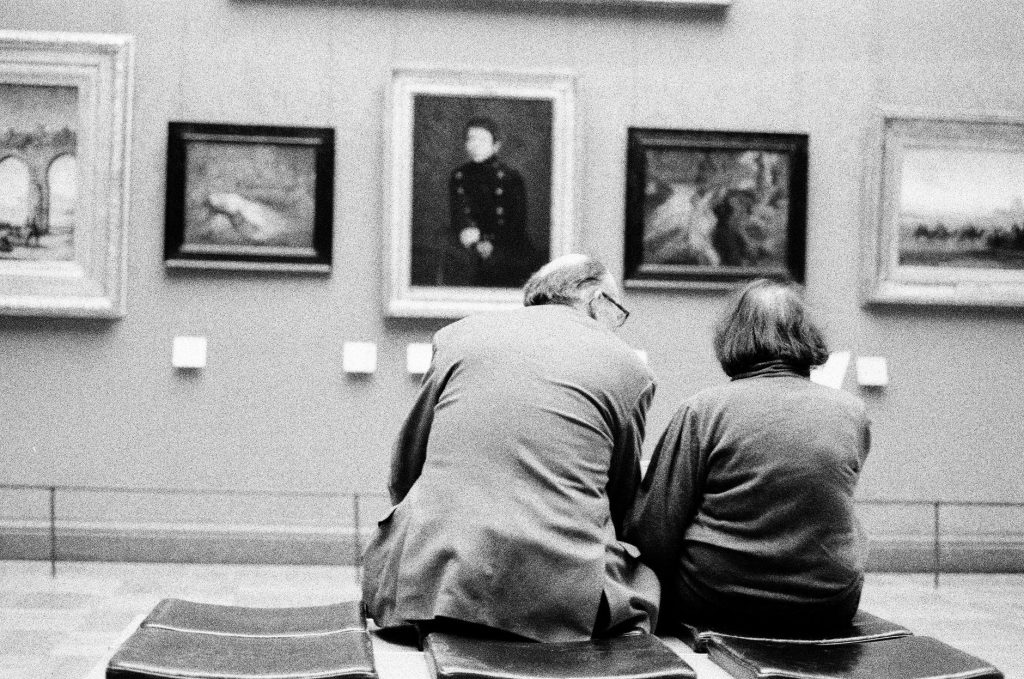
The gallery exhibitions change roughly three to four times a year. Recent shows have included photography documenting civil rights organizing in Western Pennsylvania, textile work by regional Black artists, and retrospectives tied to Wilson’s own dramatic cycle. The permanent installation covering the history of the Hill District uses oral history recordings alongside artifacts — the kind of exhibit where you pick up a phone receiver and hear someone’s grandmother describe what Centre Avenue looked like before the Civic Arena was built.
The theater program is where the center earns its reputation locally. It hosts professional productions, often premiering work connected to Wilson’s legacy or by Black playwrights working today. Ticket prices run from about $25 to $55 for most shows, which is reasonable for the quality of production. The black box space, the Allison Reeves Crawford Studio Theatre, runs smaller and more experimental work, sometimes at lower price points or free for certain community performances.
Gallery admission is free, which matters. You can walk in on a weekday afternoon — the center is open Tuesday through Saturday — and spend an hour with the permanent collection without buying anything or committing to anything. The staff is knowledgeable and low-pressure. If you want context, ask. If you want to move through on your own, that’s fine too.
The building itself is worth noting. It was designed by Perkins Eastman and uses a lot of glass along the Cultural District side, which makes the interior feel open and connected to the street. It doesn’t try to look like a monument. It looks like a place where work gets done, which it is.
Pittsburgh has a complicated relationship with August Wilson’s legacy — proud of the association, sometimes careless about what that pride actually requires in terms of institutional support and audience. The center holds that tension honestly. It exists to do specific work in a specific community, and it does that work consistently, without fanfare and without apology.
If you’re in the Cultural District for any reason, the fifteen minutes it takes to walk through the gallery costs you nothing and will likely rearrange how you think about the neighborhood you’re standing in.