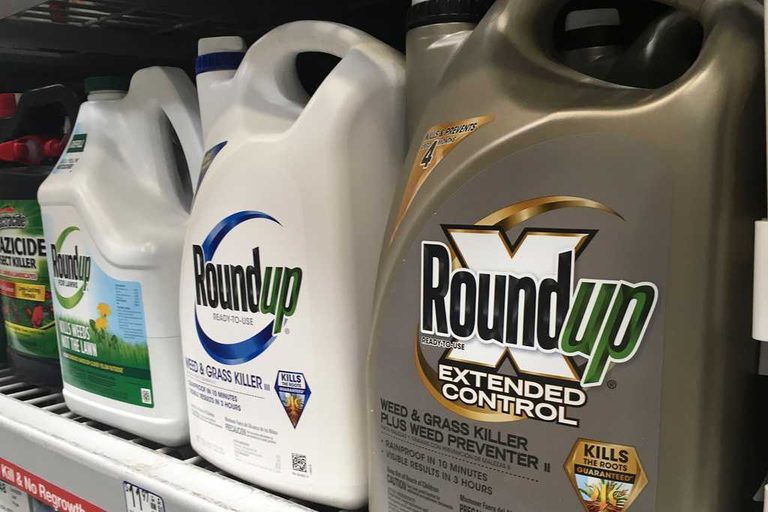
A St. Louis Circuit Court judge on Friday gave the green light to a massive $7.25 billion settlement that Bayer will pay over the next 21 years to resolve thousands of lawsuits alleging its Roundup weed killer caused non‑Hodgkin lymphoma. The settlement, approved in Missouri, covers both current patients and anyone diagnosed in the future, offering a range of payouts from $10,000 to $165,000 depending on exposure, age at diagnosis and severity of illness.
Why the settlement matters
Judge Timothy Boyer called the average individual payouts “fair and adequate” and noted the total amount is “among the largest in the history of mass‑tort personal‑injury class‑action settlements.” He also warned that rejecting the deal could have pushed Bayer toward bankruptcy protection, leaving victims with little to no compensation.
Bayer CEO Bill Anderson hailed the court‑approved deal as “a decisive milestone in the company’s strategy to mitigate the risks of both pending and future Roundup litigation.” The settlement includes $600 million earmarked for attorneys’ fees, reflecting the extensive legal work that has unfolded over more than a decade.
Background on Roundup and the lawsuits
Roundup, first introduced by Monsanto in 1974, contains the herbicide glyphosate. While the World Health Organization’s International Agency for Research on Cancer labeled glyphosate “probably carcinogenic” in 2015, the U.S. Environmental Protection Agency has maintained that it is unlikely to cause cancer when used as directed. Nonetheless, about 200,000 claims have been filed against Bayer, many from residential users who applied the product on lawns and gardens.
Bayer acquired Monsanto in 2018 and subsequently set aside $16 billion for Roundup litigation. The new settlement adds to that reserve and is intended to resolve the remaining cases while providing a framework for any future claims.
What victims can expect
Under the agreement, agricultural, industrial or turf workers with prolonged exposure could receive an average of $165,000 if diagnosed before age 60. Older claimants, such as those diagnosed at age 78 or older, would see lower averages around $10,000. Payments will be made annually into a special fund, spreading the financial impact over two decades.
While some attorneys argue the individual amounts are modest, others contend that a guaranteed settlement is far preferable to the uncertainty that followed the U.S. Supreme Court’s June decision barring state‑law claims without a federal labeling requirement.
Local impact
The settlement was filed in St. Louis Circuit Court, the home of Bayer’s North America crop‑science division. By securing a court‑approved resolution in Missouri, the case underscores the state’s role in handling high‑profile corporate litigation that affects residents nationwide.
For Missouri families who have waited years for justice, the approval represents a concrete step toward compensation and closure. It also signals to other corporations that large‑scale settlements are achievable when companies choose to address litigation proactively rather than gamble on prolonged court battles.
Looking ahead
The agreement could be appealed, but the judge’s order sets a strong precedent for future mass‑tort settlements involving agricultural chemicals. As the fund begins disbursing payments, victims and their families will receive the financial support they have long sought, while Bayer can focus on moving forward with its broader agricultural portfolio.
Original reporting: WLWT Cincinnati — read the source article.