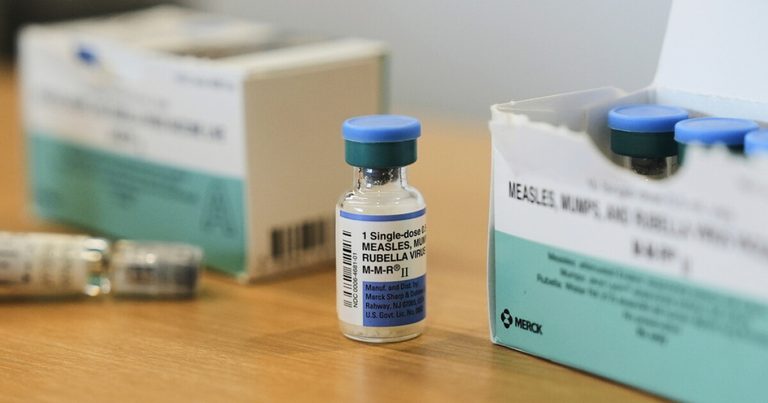
Idaho families are once again wrestling with the question of whether to vaccinate their children against measles. The latest state data show that roughly 75% of kindergarteners were up to date on the measles‑mumps‑rubella (MMR) vaccine for the 2025‑26 school year, down from about 79% the year before and well below the national average of roughly 92%.
Local voices weigh in on choice and responsibility
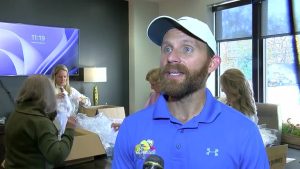
Leslie Manookian, a founding board member of Health Freedom Idaho, argues that vaccination decisions should rest with families. She says the COVID‑19 pandemic reshaped how many parents view public‑health guidance and that more families are choosing to research alternatives before deciding.
Manookian also highlighted nutrition, noting that children who lack vitamin A may experience more severe outcomes if they contract measles. “I think people are choosing to not vaccinate their children more and more because they’re doing their research,” she said.
Pediatric perspective on risk and treatment
Dr. Byron Knowles, a pediatrician at Thrive Pediatrics in Meridian, cautioned that vitamin A supplementation does not replace vaccination. “Vitamin A can be given under medical supervision as part of treatment for some children with measles, but it does not prevent the disease,” he explained.
Knowles emphasized the seriousness of measles, noting that the disease can lead to hospitalization, intensive‑care admission, or even death. He reiterated the Centers for Disease Control and Prevention’s (CDC) estimate that two doses of the MMR vaccine are about 97% effective at preventing measles.
According to the CDC, community vaccination coverage of roughly 95% creates strong herd immunity, making sustained transmission much harder and protecting infants who are too young for routine vaccination. “Because measles is so infectious, even a small decrease in the vaccine rate will start to lead to spread,” Knowles warned.
What parents should do if they suspect measles
The CDC advises parents who suspect their child may have measles to call their doctor’s office before visiting the clinic. This allows staff to arrange appropriate care and limit exposure to other patients.
Why the decline matters for Idaho communities
Idaho’s vaccination rate remains below the national benchmark, and the recent dip raises concerns for public‑health officials who monitor disease outbreaks. While the state has not yet experienced a large‑scale measles outbreak, the loss of the United States’ measles‑free status underscores the importance of maintaining high immunization levels.
Local health leaders continue to stress that vaccination is a community responsibility. “When enough of our neighbors are protected, we safeguard the most vulnerable among us,” a state health spokesperson said.
As the conversation unfolds, Idaho parents, health professionals, and advocacy groups will likely keep debating the balance between personal choice and collective safety. The outcome will shape how the state addresses future vaccine‑preventable diseases.
Original reporting: KIVI Idaho News 6 Boise metro (local) — read the source article.