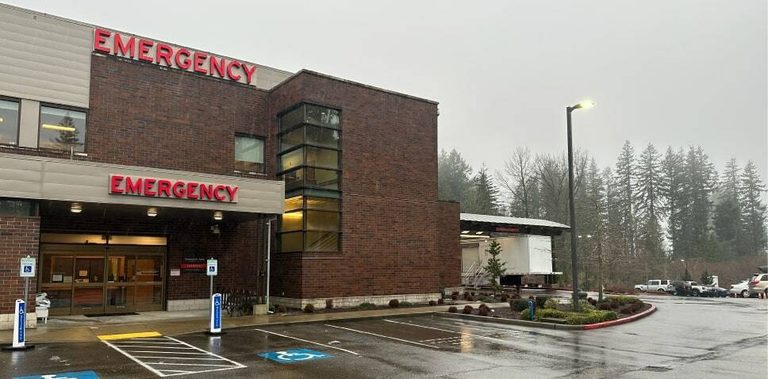
Washington state is slated to receive $177 million in federal rural health funding for fiscal year 2027, continuing the Trump administration’s Rural Health Transformation Program. The money follows a $181 million allocation this year and is intended to help rural hospitals and communities cope with looming Medicaid work‑requirement changes.
Local services get a boost
The Olympic Area Agency on Aging has used a portion of the funding to offer free dementia screenings to about 90 residents in coastal counties, a service previously unavailable due to a lack of geriatric psychiatrists. Executive Director Laura Cepoi said the screenings give seniors “agency over your own life” and help families plan ahead.
How the $177 million will be spent
The award funds the second year of a five‑year program that promises $50 billion nationwide, roughly $10 billion per year. Washington’s share translates to about $159 per rural resident, slightly above the national average but below neighboring states.
Key allocations include:
- More than $59 million for hospital infrastructure, technology and services.
- Over $33 million to expand the rural health workforce.
- $19.4 million for tribal health initiatives.
- Nearly $24 million for technology and data solutions such as UW’s Project ECHO, which mentors clinicians remotely.
- About $22 million for behavioral health improvements, including school‑based programs.
The Rural Collaborative will distribute $5.4 million to hospitals for administrative efficiencies, with its executive director Elya Prystowsky stating, “If we’re successful, not a single one of our hospitals will close.” He added that the situation feels like “being in an apartment hearing someone on the stairs, but not knowing who it is,” urging optimism.
Medicaid work‑requirements loom
Washington expects up to 200,000 residents to lose Medicaid coverage next year, not because they fail to meet new mandates but due to eligibility‑verification barriers. The federal work‑requirements, originally set for Jan. 1, 2027, have been delayed six months by the Trump administration; Washington opted to start them on July 1.
Local health officials warn that the federal dollars, while helpful, will not fully offset the revenue losses hospitals will face as uninsured patients increase.
State ranking and outlook
With $177 million, Washington ranks ninth lowest in the nation for 2027 allocations, ahead of New Jersey, Connecticut and Rhode Island but behind larger states such as Texas, which will receive $282 million. Only three states saw larger drops in second‑year funding compared to this year.
Despite the challenges, state leaders remain confident that targeted investments will keep rural hospitals afloat and improve access to care for remote communities.
Original reporting: Renton Reporter — read the source article.