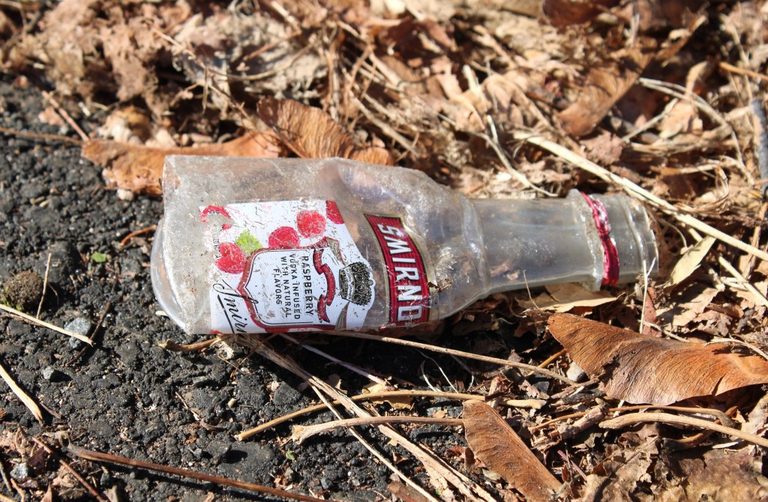
New Haven officials are turning the spotlight on the roughly $801,000 still sitting in the city’s nickel‑per‑nip fund. The program, created in 2021, collects a five‑cent deposit on every liquor “nip” – a bottle of 50 ml or less – and requires towns to spend the money on litter reduction and solid‑waste projects.
How the fund works
Since the program’s launch, New Haven has received $1,121,343.34, the most of any Connecticut municipality, because the city sells more nips than any other town – about $4.4 million a year. To date the city has spent $319,590, mainly on neighborhood clean‑ups ($239,000), a part‑time recycling educator ($76,000) and supplies ($4,717). That leaves about $801,752, or roughly 72 percent, unspent.
Plans for the remaining money
Steve Winter, executive director of the Office of Climate and Sustainability and a state representative, says the city will continue to use the fund for clean‑ups and recycling education, estimating those efforts will cost about $100,000 a year. He also wants to allocate a significant portion toward permanent street‑sweeping signs, replacing the current practice of stapling paper notices to trees and poles.
Debate over a nip ban
City alders are weighing a resolution that would ask the Connecticut General Assembly to allow municipalities to ban nip sales. The proposal was backed unanimously by a committee last week. Larry Cafero, executive director of the Wine & Spirit Wholesalers of Connecticut, argues that before changing the law, residents need to see how the existing fund has been used. He warns that allowing towns to ban specific products could open a “pandora’s box” of fragmented regulations.
Community perspectives
Environmental advocate Laura Cahn, who introduced the resolution, cautions that money alone will not solve the litter problem. “No amount of money in the sin tax is going to clean this problem up,” she said, noting that discarded nip lids still pollute water and soil. Cahn also points to Chelsea, Massachusetts, where a ban on nips reportedly reduced traffic incidents.
Winter acknowledges a potential trade‑off: a ban would cut off the revenue that funds recycling education, meaning the city would need to find alternative sources, such as the general fund or the regional Solid Waste and Recycling Authority.
Next steps
The fund is managed by the chief administrative officer’s office. As the city deliberates the ban, officials plan to keep deploying the unspent money toward visible clean‑up projects and permanent signage, reinforcing New Haven’s commitment to a cleaner, safer environment for families and neighborhoods.
Original reporting: New Haven Independent — read the source article.