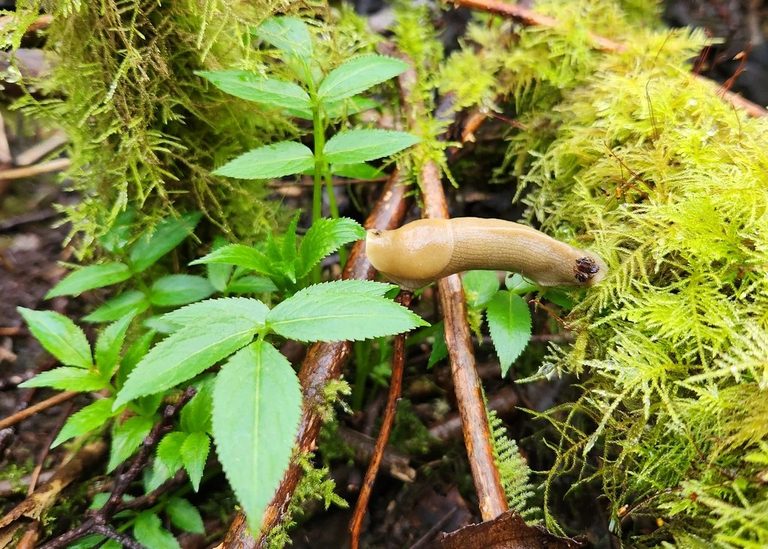
Oregon scientists have raised a red flag for the state’s beloved banana slug. In a study released this week, researchers from Oregon State University tested two formulations of the commercial pesticide Nemaslug on banana slugs collected along the Oregon coast. The results were stark: almost every slug that touched the product died, and the mortality rate was especially high among young individuals.
Why the banana slug matters
Banana slugs (Ariolimax columbianus) are a keystone species in the coastal rainforests that stretch from central California to southeast Alaska. They help keep forest soils healthy by breaking down organic matter and they also disperse seeds, supporting plant regeneration. Their bright yellow‑orange bodies have become an informal symbol of the Pacific Northwest’s unique natural heritage.
What the pesticide does
Nemaslug contains microscopic nematodes – tiny parasitic worms that feed on bacteria, fungi and other microorganisms. The product has been used for more than thirty years in several countries to control invasive European slugs that damage crops. In the United States, the pesticide is not yet approved by the U.S. Department of Agriculture or Oregon’s agricultural regulators because of limited data on its impact on native wildlife.
Study findings
The OSU team exposed banana slugs to both versions of Nemaslug under controlled laboratory conditions. Nearly 100% of the slugs that came into contact with the nematodes died, and mortality was even higher among juveniles. The researchers also noted that the pesticide appears harmful to the Pacific sideband snail, another native mollusk found along the coast.
Economic context
Invasive European slugs have long been a nuisance for Oregon’s agricultural sector, especially the grass‑seed industry, which has suffered an estimated $60 million to $100 million in damage over recent decades, according to a 2021 OSU analysis. Farmers have been eager for alternatives to harsher chemical slug killers, and Nemaslug has been promoted as a more environmentally friendly option.
Calls for caution
Emily Taylor, a research assistant at Oregon Health & Science University who was a graduate student at OSU during the study, said the findings have “pretty big implications for biodiversity conservation.” She noted that the Pacific Northwest’s rainy climate makes it a hotspot for terrestrial gastropods, underscoring the need for careful assessment before any federal approval.
Next steps
OSU scientists recommend additional field studies to better understand how Nemaslug might affect non‑target species in real‑world settings. They argue that regulators should require comprehensive ecological risk assessments before allowing the pesticide onto the U.S. market.
The study was published in the peer‑reviewed journal PLOS One. As the debate over how to protect Oregon’s farms while preserving its unique wildlife continues, the research adds a crucial piece of evidence for policymakers, growers, and conservationists alike.
Original reporting: Homepage – Lookout Eugene-Springfield — read the source article.