San Francisco is taking a bold step to combat the fentanyl crisis by offering same‑day injectable buprenorphine at the Maria X Martinez Health Resource Center in SoMa. The $500,000 pilot, launched on Nov. 2, gives clinicians the ability to administer the medication onsite, eliminating the need for patients to travel elsewhere before beginning treatment.
Why injectable buprenorphine matters
Buprenorphine, an opioid medication approved in 2002, eases cravings and withdrawal without producing the high of fentanyl. Traditional tablet or film forms require patients to be in mild withdrawal before the first dose, a hurdle that often deters people who use fentanyl daily. Because fentanyl lingers unpredictably in the body, starting oral buprenorphine too soon can trigger precipitated withdrawal – a sudden, severe worsening of symptoms.
Injectable formulations, some lasting a month, allow clinicians to start treatment even while a patient is still using fentanyl. Dr. Sarah Rosenwohl‑Mack, a UCSF addiction specialist who helped design the pilot, says this “real innovation” makes treatment far more accessible for people who might otherwise give up.
Early results show promise
In a 2025 study of 131 patients who began treatment with injectable buprenorphine at safety‑net clinics in San Francisco and Oakland, 43 % remained on the medication three months later – an encouraging rate given the high rates of homelessness and housing instability among participants. A 2018 randomized trial of 428 patients found weekly and monthly injections were at least as effective as daily medication at reducing illicit opioid use and keeping patients in care.
Dr. Gail D’Onofrio of Yale University emphasizes the importance of offering multiple treatment options, noting that “there isn’t one size fits all.” The San Francisco pilot aligns with that philosophy by giving clinicians a tool that can be administered immediately when a patient expresses readiness to stop fentanyl.
How the pilot works locally
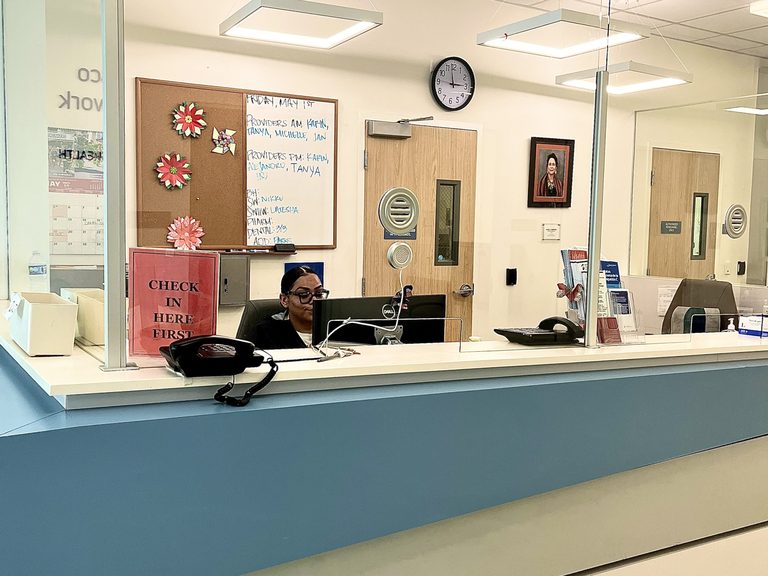
The Maria X Martinez walk‑in clinic sees roughly 21,000 visits each year, with more than three‑quarters of its clients experiencing homelessness. Previously, a patient who wanted a long‑acting injection had to be referred to another facility, risking loss of momentum. Now, clinicians can provide the first dose on the spot and schedule follow‑up injections that last up to a month.
Dr. Tanya Majumder, the clinic’s medical director, explains that patients’ willingness to start treatment can be fleeting – sometimes lasting only minutes. Having the medication on hand means staff can act instantly, avoiding the delay of a second appointment.
Injectable buprenorphine also removes the daily burden of taking pills, a challenge for people without stable housing who may struggle to keep medication safe.
Funding and future plans
The pilot is funded largely through Breaking the Cycle, a public‑private fund created by Mayor Daniel Lurie to address homelessness and behavioral health. It is budgeted for 460 initial doses and 500 follow‑up doses over two years. The city will track treatment retention, overdoses, emergency‑department visits, and hospitalizations through April 2028. If the data prove positive, officials aim to expand the program to up to five additional clinics in 2027.
Patient perspective
One early participant, a man in his 40s who had used fentanyl daily for years, described his first injection as “the smoothest experience” he’d ever had starting buprenorphine. After a rough night, he reported feeling great the next day and returned for a month‑long dose two days later. He continues on buprenorphine and says he plans to tell others about the treatment.
Dr. Rosenwohl‑Mack calls the city’s effort “phenomenal,” noting that same‑day access to injectable buprenorphine remains limited nationally. By removing logistical barriers, San Francisco hopes to keep more patients in treatment, reduce fentanyl‑related overdoses, and ultimately save lives.
Original reporting: Mission Local — read the source article.