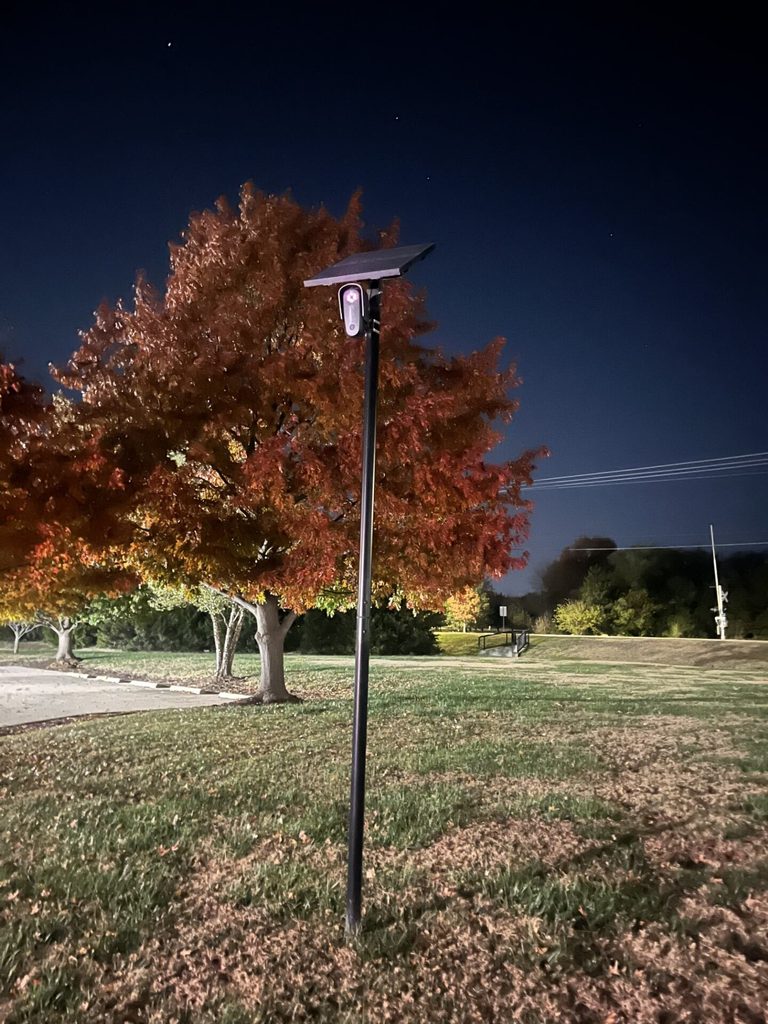
WICHITA, Kan. – The Kansas Highway Patrol (KHP) announced it is drafting a model piece of legislation aimed at tightening controls over the use of Flock cameras, the vehicle‑tracking devices currently employed by law‑enforcement agencies across the state.
According to Col. Erik Smith, superintendent of the Kansas Highway Patrol, the proposed bill would spell out where, how and with whom the data collected by these cameras may be shared. A key provision would prohibit any use of the information to target individuals for activities that are lawfully protected, reinforcing privacy safeguards while still allowing the technology to aid investigations.
Legislative priority for 2027
KHP said the model bill is one of its top legislative priorities for the 2027 session, reflecting growing concerns about the potential for misuse of the data. “There is also a specific prohibition against using the data in any form to target someone for lawfully protected activities,” Col. Smith said.
Privacy advocates weigh in
Drew Cranmer of the Sunflower Privacy Alliance welcomed the move, calling it “encouraging” and noting that the public currently lacks visibility into how the data is being used beyond city limits. “We don’t have any data how the data’s being used and with whom outside of the city,” Cranmer said.
Cranmer outlined two additional safeguards he would like to see incorporated: a requirement that a warrant be obtained before accessing the camera data, and a clause preventing the agency from withholding the information in response to open‑records requests.
Calls for broader action
While praising the proposed guardrails, Cranmer emphasized that the ultimate goal is to see the cameras removed entirely and the city end its contract with Flock. “I’m all for guardrails, but I’m not sure, without knowing the specifics, that they’ll be enough. I’d like to see them gone,” he said.
The City of Wichita’s contract with Flock is set to run through March 2027. Cranmer expressed concern about the timing of the contract extension, noting that extending it on an election day felt “a little underhanded,” regardless of intent.
Broad support across the aisle
According to Cranmer, the issue appears to cut across partisan lines, with citizens from various political backgrounds recognizing the need for clearer rules. “It seems like an issue that cuts across the partisan divide, and it’s encouraging to see people waking up and taking action,” he added.
The Kansas Highway Patrol plans to share the model bill with state legislators and municipal leaders in the coming weeks, hoping it will serve as a template for counties and cities that rely on Flock cameras for traffic enforcement and public‑safety operations.
Stakeholders are expected to provide feedback during a public comment period slated for early 2027, after which KHP will refine the language before formally introducing the measure to the Kansas Legislature.
Original reporting: KWCH 12 (Gray) – local — read the source article.