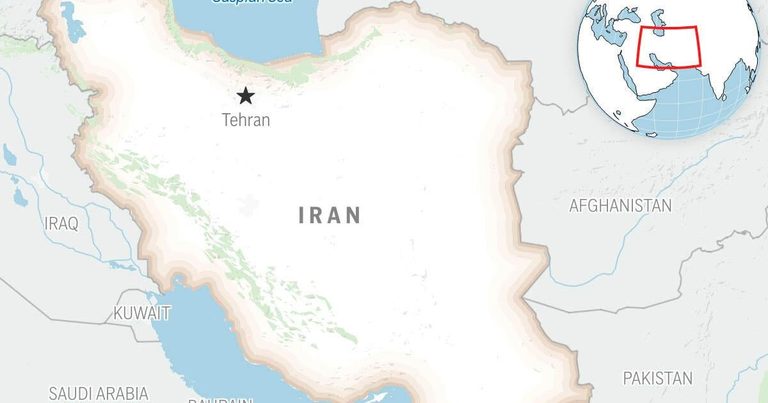
The Middle East faces heightened tensions as Israel and Iran engaged in a series of retaliatory strikes early Monday, threatening to reignite full-scale regional conflict. The exchange began with Israel launching attacks on central and western Iran in response to missile fire from Tehran. Iran responded with waves of attacks, marking the first such exchange since an April 8 ceasefire was reached.
Regional Implications and Global Concerns
Yemen’s Houthi rebels added to the tension by firing at Israel and warning of targeting Israel-affiliated ships in the Red Sea. This escalation has raised alarms about the potential for broader conflict, especially given Iran’s strategic position controlling the Strait of Hormuz, a critical passage for global energy supplies.
Iranian officials have accused the United States of being complicit in the Israeli actions, with Iranian Foreign Ministry spokesman Esmail Baghaei stating that the U.S. would bear responsibility for any escalation. The Revolutionary Guard claimed responsibility for targeting military bases in Israel as part of Operation Nasr, following Israeli strikes on radar sites in Iran.
Diplomatic Efforts to Restore Ceasefire
In response to the escalating violence, diplomatic efforts are underway to salvage the ceasefire between Iran and the United States. Officials from Egypt, Saudi Arabia, Turkey, Pakistan, and Qatar are urging the U.S. to pressure Israel to halt its strikes and are calling on Iran to cease its attacks on Israel. A mediator involved in these efforts expressed frustration over an Israeli strike on Beirut, which occurred during ongoing negotiations.
U.S. President Donald Trump has been involved in discussions, reportedly urging Israeli Prime Minister Benjamin Netanyahu to delay retaliation. However, Trump’s comments suggest a complex dynamic, as he insists on dictating the terms of engagement, asserting, “I call the shots.”
Impact on Global Shipping and Energy
The conflict has significant implications for global shipping and energy markets. The Houthis’ threats to target vessels in the Red Sea could disrupt a vital shipping route, affecting the Suez Canal and Saudi Arabia’s oil exports. The ongoing conflict has already impacted the Red Sea’s shipping lanes, with previous Houthi attacks causing substantial disruption.
As the situation develops, the international community watches closely, hoping diplomatic efforts can prevent further escalation and restore stability to the region.
Original reporting: KTBS 3 (Shreveport) — read the source article.