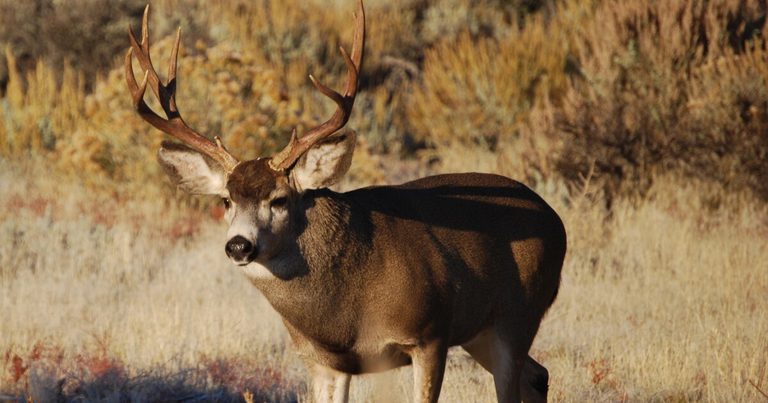
Idaho Fish and Game announced that a mule deer buck harvested along the Snake River has tested positive for chronic wasting disease (CWD), marking the first confirmed case in the state’s Hunting Unit 13.
Location and context
The infected animal was found about a half‑mile from the Oregon border, close to a prior CWD detection in neighboring Unit 18. To date, the agency has tested more than 3,500 deer and elk in 2026, with previous positive cases limited to Units 1, 14, 15, 18 and 23.
Agency response and public role
With the hunting season in Unit 13 now concluded, wildlife officials are urging residents to help monitor the disease. They ask the public to report road‑killed deer and elk, animals found dead, and any wildlife displaying unusual behavior. “These reports and samples are essential to helping us monitor the disease,” said IDFG Wildlife Health Program Coordinator Stacey Dauwalter.
Hunters also play a critical part in surveillance. Samples collected during hunting seasons enable wildlife managers to determine where CWD is present and assess its spread.
Understanding chronic wasting disease
CWD is a contagious, fatal neurological disease that affects deer, elk and moose. There is no cure, and the prion agent can persist in the environment for decades. Because the disease cannot be eradicated once established, Idaho’s management strategy focuses on keeping the percentage of infected animals low to maintain healthier big‑game populations.
Future management plans
The detection will be factored into the Idaho Fish and Game Commission’s annual review of the state’s CWD management strategy. The commission updates its approach each year as new information becomes available, aiming to protect wildlife and preserve hunting opportunities for Idaho families.
Original reporting: KIVI Idaho News 6 Boise metro (local) — read the source article.