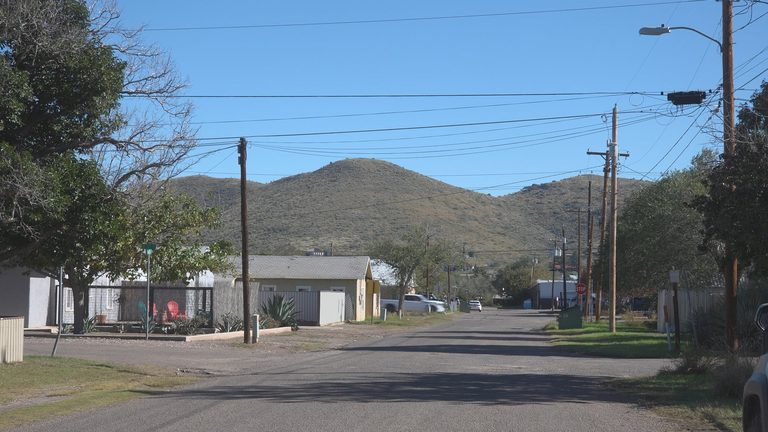
Alpine, Texas – On National Rural Health Day, Dr. Adrian Billings, a longtime provider in the Big Bend region, underscored the impact of telehealth on families living in remote ZIP codes. After 19 years of serving Alpine and surrounding communities, Billings explained that distance and limited local resources have long made it difficult for patients to receive timely medical attention.
Remote exams that mimic in‑person visits
“What we’ve done in Marathon and Fort Davis and these other rural locations is we’ve sent fully functioning computers that have add‑on peripherals that allow the physician on the other end to listen to the lungs, listen to the heart, look inside the ear, look inside the eye, look inside the mouth so that it provides a more robust physical examination,” Billings said.
The equipment includes digital stethoscopes, otoscopes, ophthalmoscopes and intra‑oral cameras that transmit high‑resolution video and audio to a physician located elsewhere. Patients sit at a local clinic or community center, connect with the remote doctor, and receive a comprehensive assessment without the need to travel dozens of miles.
Improving quality of life for rural families
Billings emphasized that advocating for rural ZIP codes is essential to ensure every family can enjoy a good quality of life and the same level of health‑care convenience found in urban areas. He noted that early detection of conditions such as hypertension, diabetes complications, and ear infections becomes more feasible when patients can be examined promptly via telehealth.
Local leaders have welcomed the initiative, noting that it aligns with broader efforts to strengthen health infrastructure across West Texas. By reducing travel time and associated costs, the program also eases the financial burden on families who might otherwise delay care.
Community response and next steps
Residents who have used the telehealth stations reported satisfaction with the convenience and thoroughness of the examinations. “I was able to see the doctor without leaving town, and they actually listened to my heart and lungs,” said one patient from Marathon.
Billings and his team plan to expand the network to additional sites in the Permian Basin, aiming to cover more remote neighborhoods and integrate additional specialties such as dermatology and mental‑health counseling.
The telehealth rollout reflects a growing national trend toward digital health solutions, but its localized implementation demonstrates how community‑focused providers can tailor technology to meet the unique needs of rural Texas families.
Original reporting: CBS7 / First Alert 7 KOSA (Gray) — read the source article.