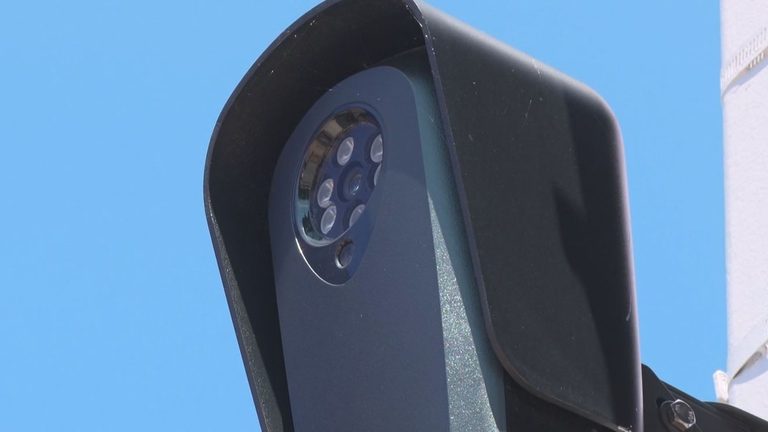
The Providence City Council moved forward on Thursday night with an ordinance that would ban the deployment of Flock license‑plate cameras in the city. The measure, introduced by councilors concerned about privacy and government overreach, received its first approval during the council’s regular meeting.
What the ordinance seeks to do
The proposed ordinance would make it unlawful for any municipal agency, private contractor, or third‑party vendor to install or operate Flock’s automated license‑plate recognition (ALPR) systems on public streets, municipal parking lots, or any other city‑controlled property. Proponents argue that the technology, while marketed as a tool for traffic enforcement and stolen‑vehicle recovery, poses a significant risk to the privacy of Rhode Island’s law‑abiding drivers.
Council process and next steps
Under Providence’s procedural rules, the ordinance must be voted on a second time before it can be sent to Mayor Brett Smiley. The mayor will then have the authority to sign the measure into law or veto it. If a veto occurs, at least ten of the fifteen council members would be required to override the mayor’s decision.
At this stage, council leaders have not set a date for the second vote. The ordinance’s supporters hope to schedule the follow‑up hearing before the end of the calendar year so that the city can move quickly on the privacy issue.
Reasons cited by councilors
During the meeting, several councilors voiced concerns that the constant scanning of license plates creates a de‑facto surveillance network. They emphasized the importance of protecting citizens’ constitutional rights, particularly the Fourth Amendment’s guard against unreasonable searches. One councilor noted that the technology could be used to track individuals’ movements without a warrant, a practice inconsistent with the city’s commitment to individual liberty and family privacy.
Supporters also pointed to the lack of clear evidence that the cameras have significantly reduced traffic violations or crime rates in Providence. They argued that existing traffic enforcement methods—such as officer‑issued citations and community‑based safety programs—are sufficient without resorting to pervasive electronic monitoring.
Opposition and alternative viewpoints
Opponents of the ban, including representatives from the local police department, cautioned that the cameras can aid in locating stolen vehicles and identifying drivers who commit serious offenses, such as hit‑and‑run incidents. They suggested that a more balanced approach—such as stricter data‑retention policies or limited deployment in high‑risk areas—might address privacy concerns while preserving public‑safety benefits.
The council hearing included testimony from a privacy‑rights advocate affiliated with the Rhode Island Civil Liberties Union, who warned that unchecked ALPR technology could set a precedent for other municipalities in the state. The advocate urged the council to adopt a “privacy‑first” framework that would require any future surveillance tools to undergo rigorous oversight.
What this means for Providence residents
If the ordinance becomes law, any existing Flock cameras in Providence would have to be removed or disabled within a timeframe set by the city’s code‑enforcement office. Residents can expect a period of public comment before final implementation, giving community members an opportunity to voice additional concerns or suggestions.
City officials have indicated that the ban would not affect other traffic‑management technologies, such as red‑light cameras or speed‑monitoring devices, which remain under separate regulatory review.
Looking ahead
The debate over automated license‑plate cameras reflects a broader national conversation about the balance between public safety and personal privacy. Providence’s actions may serve as a model for other New England municipalities grappling with similar technology deployments.
As the council prepares for its second vote, residents are encouraged to stay informed through council meeting minutes, local news outlets, and public‑comment sessions scheduled by the city clerk’s office.
Original reporting: NBC 10 WJAR (Sinclair) – local — read the source article.