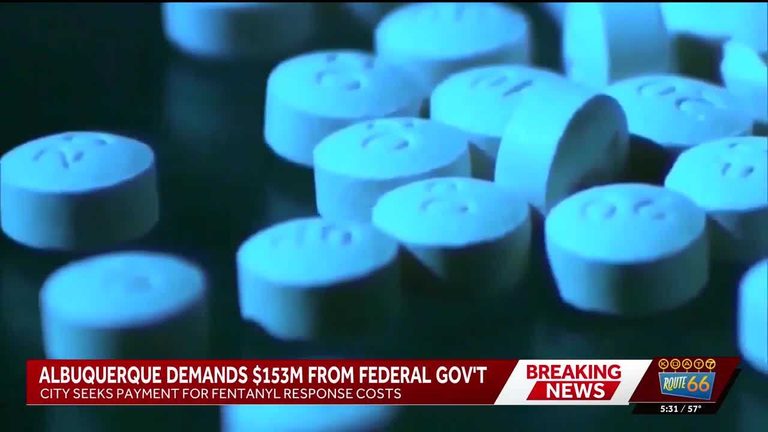
Albuquerque officials on Thursday lodged a formal claim for more than $153 million against the U.S. Drug Enforcement Administration (DEA). City Attorney Joshua Boone told KOAT the filing puts the federal agency on notice that the city may pursue a lawsuit if the claim is denied.
Why the city is seeking compensation
The claim, filed under the Federal Tort Claims Act, seeks $153,483,915.24 in damages. Albuquerque says the DEA’s decision to allow hundreds of thousands of fentanyl pills into the community – part of an investigation into drug traffickers – directly contributed to a spike in fentanyl‑related incidents and forced the city to spend heavily on emergency response, policing, cleanup and public‑health services.
Boone outlined the city’s calculations, which draw on multiple data sets, including rising fentanyl possession and trafficking cases, laboratory testing results and municipal cleanup expenses. The breakdown of the requested funds includes:
- $106.2 million for health, housing, homelessness and public‑health response
- $29.9 million for Albuquerque Fire Rescue emergency and overdose response
- $9.7 million for solid‑waste cleanup, remediation and property damage
- $7 million for Albuquerque Police Department officer response
- $631,000 for APD forensic testing and laboratory analysis
City officials stress impact on families and first responders
Mayor Tim Keller said families, first responders and taxpayers have borne the brunt of the fentanyl crisis. He noted that any recovered funds could be directed toward case management, support for people experiencing homelessness and addiction‑treatment programs – services that protect the most vulnerable members of the community.
Boone acknowledged that linking specific overdoses to the alleged shipments is challenging, but pointed to a clear upward trend in fentanyl‑related cases from 2022 onward. “It’s hard to link specific cases to the fentanyl being allowed to walk,” he said, “but what you’re seeing across the board is a spike.”
Next steps and potential lawsuit
The city’s claim does not guarantee payment. If the DEA does not respond within six months, the claim can be treated as denied, at which point Albuquerque will preserve its right to file a lawsuit. Boone said it is too early to estimate the cost of such litigation to taxpayers.
The DEA has not responded to requests for comment. City officials said they have not spoken directly with Special Agent David Howell, who is cited in the allegations.
Community implications
Albuquerque’s action reflects a broader effort by local leaders to hold federal agencies accountable when policies appear to endanger public safety. By seeking restitution, the city aims to alleviate the financial strain on its emergency services and ensure that resources remain available for families and first responders confronting the opioid epidemic.
Original reporting: KOAT Albuquerque — read the source article.