Connecticut is seeing a sharp decline in juvenile court filings, a result of a risk‑assessment model introduced in 2023 that steers low‑risk youths toward community‑based interventions instead of the courtroom.
How the model works
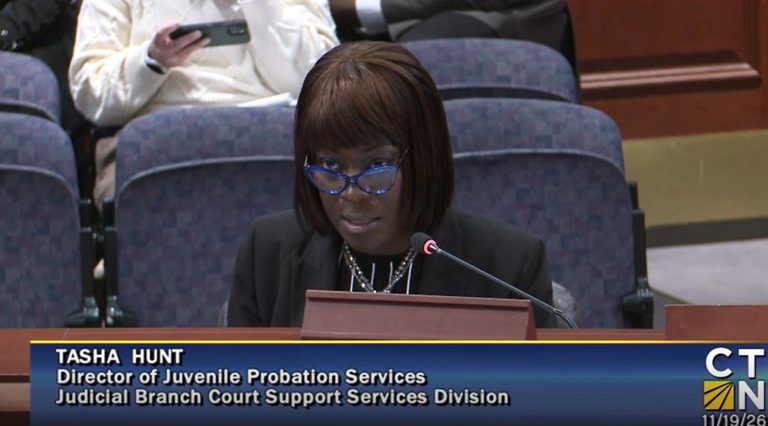
The tool evaluates each child’s behavior and the likelihood of reoffending. Those deemed low‑risk are placed in programs that offer therapy, mentorship and guidance. According to Tasha Hunt, director of Juvenile Probation with the Connecticut Support Services Division, the shift moves away from judging youths solely by the offense and focuses on their individual risks and needs.
Numbers show a dramatic drop
State data compiled by the Tow Youth Justice Institute show 4,849 juvenile cases last year, compared with 9,943 in 2015 and more than 12,000 in 2010. This year the estimate is about 4,650 cases—a 4.1% decrease from 2025. Roughly 30% of all cases are now diverted to community‑based programs, while the remainder proceed to juvenile court.
Community options expanding
Diverted youths may be sent to the Juvenile Review Board or other local services. Those services are being added in high‑need areas, including Connecticut’s largest cities. Rep. Toni Walker (D‑New Haven), co‑chair of the juvenile‑justice committee, said the state is “slowly but surely” expanding these options, though she acknowledges the rollout is not yet fast enough for every community.
Stability in re‑arrest rates
Despite the shift, the proportion of youths who remain arrest‑free during probation supervision has stayed steady, with about three‑quarters of cases not resulting in a rearrest in recent years.
Changing charge patterns
The types of offenses have also shifted. After a spike in 2023, motor‑vehicle theft charges fell to 192 in the first three quarters of 2025 and to 154 in the same period in 2026, though the charge remains among the top ten juvenile offenses.
Legislative recommendations
Committee members discussed several proposals for the upcoming session. One working group suggested automatically erasing juvenile records for cases that were diverted, allowing young people who complete a conversion program to start fresh without filing a petition. Rep. Anthony Nolan (D‑New London) argued that “rehabilitation and giving young people a second chance” should be reflected in the record‑keeping system.
Other recommendations include ending the practice of housing 15‑ to 17‑year‑olds at the state’s two youth correctional facilities and exploring a smaller, community‑focused detention site on land formerly occupied by the Connecticut Juvenile Training School in Middletown.
Additional reforms
Committee members also called for removing the term “truancy” from the school system and for targeted support for girls in the juvenile system who are vulnerable to human trafficking.
Overall, officials view the risk‑assessment model as a positive step toward keeping children out of the courtroom while still holding them accountable when necessary. The continued expansion of community services and the proposed legislative changes aim to strengthen that approach.
Original reporting: The Connecticut Mirror — read the source article.