In his weekly “Team Kentucky” briefing, Governor Andy Beshear warned that a federal cap set to take effect on Dec. 11 will effectively ban most hemp‑derived THC drinks and gummies sold in the Commonwealth. The rule prohibits any product containing more than 0.4 milligrams of total THC per container, as well as any items with synthetic cannabinoids.
What the rule means for Kentucky businesses
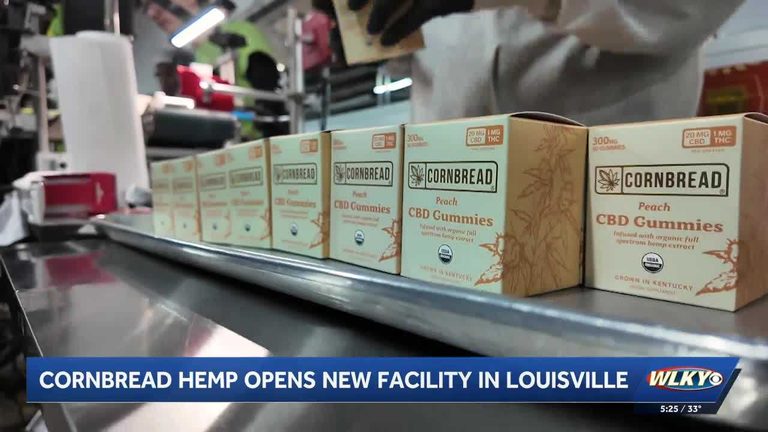
Most THC‑infused beverages on store shelves contain 5‑10 mg of THC, far above the new limit. Kentucky’s burgeoning hemp sector – including companies like Cornbread Hemp – relies heavily on those products for revenue and jobs. Beshear said the ban could “bankrupt this entire industry” and urged that regulation be handled at the state level, where officials can ensure safety without destroying livelihoods.
How the policy evolved
The controversy traces back to the 2018 Farm Bill, which Senator Mitch McConnell (R‑Ky.) helped pass to legalize industrial hemp. The bill’s language left a loophole that allowed higher‑THC hemp drinks to be marketed. McConnell later called that an “unintended consequence” and, in a 2023 spending bill, moved to close the loophole.
Federal timeline and recent delays
Congress originally slated the ban for early December, but lawmakers voted in September to postpone implementation by one month. Despite lobbying efforts in Washington, the cap is still slated to go into effect next month as planned.
Governor’s response and call to action
Beshear emphasized that Kentucky can regulate hemp products safely and responsibly, protecting both consumers and the industry’s economic contribution. He urged federal legislators to reconsider the blanket ban and allow the Commonwealth to set its own standards.
Impact on local economy
The hemp industry has become a notable source of jobs and tax revenue in rural Kentucky. Small‑scale growers and processors fear that the ban will force closures, reduce employment, and diminish the state’s competitive edge in a growing national market.
Next steps
State officials are expected to lobby Congress and explore legal avenues to challenge the rule. In the meantime, Kentucky businesses are preparing contingency plans, including diversifying product lines and seeking alternative markets.
For Kentucky’s hemp producers, the coming weeks will be critical as they navigate federal restrictions while advocating for state‑level solutions that preserve jobs and support the Commonwealth’s agricultural heritage.
Original reporting: WLKY Louisville — read the source article.