On November 3, Minnesota made history when Peggy Flanagan became the first Native woman elected to the United States Senate. The news sparked an outpouring of emotion across the White Earth, Leech Lake and Mille Lacs reservations, where tribal leaders, elders and students gathered to share their pride and optimism.
Personal stories of hope
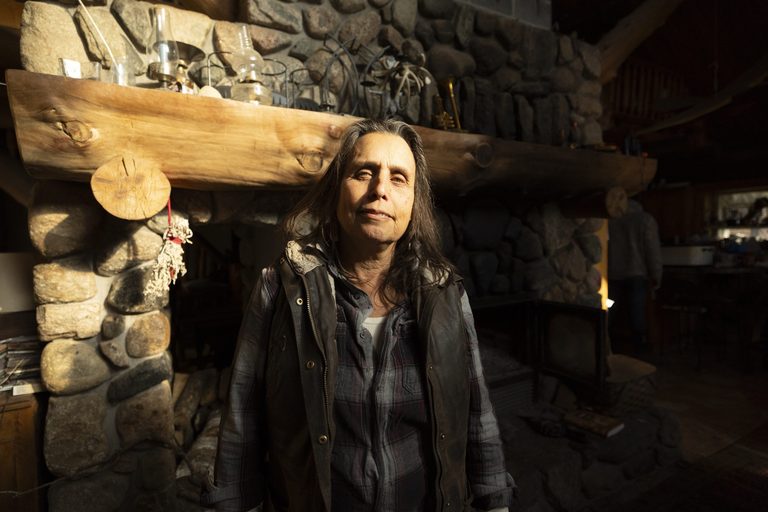
Long‑time activist and White Earth Nation member Winona LaDuke said she cried when she learned of Flanagan’s victory. “This is why you vote,” LaDuke told community members, many of whom were first‑time voters she helped drive to the polls. “I’m hoping people feel they have some power.”
Roxann Emerson, a 23‑year‑old psychology student at the University of Minnesota Morris and member of the Mille Lacs Band of Ojibwe, sighed with relief and declared, “Change is coming.” Her sentiment echoed throughout the reservations.
Policy priorities that resonated
Flanagan’s campaign focused on expanding Medicare, lowering living costs and demanding accountability from Immigration and Customs Enforcement – issues tribal leaders said directly affect their communities. The senator‑elect’s background, growing up in St. Louis Park on food stamps and subsidized housing, was described by LaDuke as “very much our story.”
Coreen Roy, a White Earth Tribal College student and mother of two, called herself the “annoying person” who corrals friends to vote. “Peggy was important when it came to getting Natives to the polls,” Roy said, noting that many felt a personal investment in Flanagan’s success.
Representation matters
Community members highlighted the significance of having a Native woman in the Senate. Anne M. Dunn, an 86‑year‑old White Earth member, said women of color bring a broader vision that includes everyone. Valerie Harrington‑Wind, co‑chair of Women Empowering Women for Indigenous Nations, expressed hope that Flanagan’s example will inspire future generations, even her own granddaughter.
In her victory speech, Flanagan addressed the crowd in Ojibwe, prompting a wave of messages from family and friends who felt she was speaking directly to them. “If Aunty Peggy can do it, you can do it, too,” she told Native youth.
Boost in voter participation
Amadeo Bellino, a government‑relations specialist for the Leech Lake tribe, noted higher voter turnout this year, especially among younger members. Bellino’s Get Out to Vote initiative helped coordinate rides to polling places and disseminate voting information.
White Earth and Leech Lake tribal employees reported similar increases, hoping the momentum will carry over to local and tribal elections.
Flanagan’s experience and future goals
Flanagan brings decades of organizing experience, having worked on Paul Wellstone’s 2002 Senate campaign and serving as Minnesota’s lieutenant governor under Gov. Tim Walz. As a senator, she plans to serve on the Indian Affairs Committee, emphasizing the need for a Native voice that understands tribal sovereignty and the contractual relationship between the United States and Indian tribes.
Melanie Benjamin, co‑founder of WEWIN and former chief executive of the Mille Lacs Band of Ojibwe, praised Flanagan’s deep familiarity with tribal governance, saying she can “deal with any Indian tribe in the United States” and honor the nation‑to‑nation agreements that have existed since time immemorial.
Looking ahead
Tribal leaders see Flanagan’s election as a step toward repairing historic distrust between tribes and federal authorities. They also view it as a catalyst for increased civic participation, especially among Native women and youth who have long felt disenfranchised.
As the new senator prepares to take office, the reservations she visited remain hopeful that her presence in Washington will amplify their concerns and advance policies that strengthen tribal communities across Minnesota and the nation.
Original reporting: Sahan Journal — read the source article.