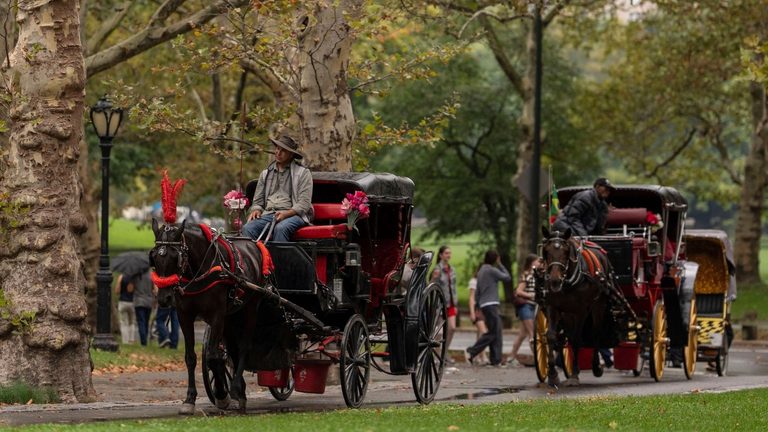
New York City Mayor Zohran Mamdadi is set to sign Romanch’s Law on Thursday, officially beginning a phased shutdown of the city’s horse‑drawn carriage industry with a target completion date of June 1, 2028. The legislation, named for 18‑year‑old Romanch Mahajan who died in a carriage accident in Central Park, reflects the administration’s commitment to public safety, animal welfare and responsible job transition.
Key provisions of the law
The law mandates that all horse‑drawn carriages cease operations on city streets by the June 2028 deadline. City Hall estimates the industry employs about 200 workers, including carriage drivers, stable hands and medallion owners. To mitigate the impact on these families, the administration will offer a comprehensive transition package:
- Medallion buyback programs to provide immediate financial relief.
- Workforce development initiatives that include job‑training courses, apprenticeships and certification programs.
- Career‑services counseling to connect displaced workers with emerging opportunities in the city’s growing sectors.
A detailed transition plan is expected by April 2027, giving the city ample time to coordinate resources and ensure a smooth shift for affected employees.
Mayor’s rationale and community response
“For 150 years, horse‑drawn carriages have been a fixture of Central Park. Today, we are bringing that chapter to a close,” Mayor Mamdadi said in a statement ahead of the signing. “This industry will come to an end, and we have a responsibility to the workers whose livelihoods depend on it.” Council Member Chris Marte, the bill’s sponsor, praised the measure as a balanced approach that protects both horses and passengers while providing concrete assistance to carriage workers.
Supporters of the law argue that it will improve animal welfare, reduce traffic congestion and enhance pedestrian safety in one of the nation’s most visited public spaces. The administration is also exploring modern alternatives, such as electric‑powered carriages and pedal‑assist vehicles, that could preserve the historic feel of park transportation without the drawbacks of live animals.
What this means for New Yorkers
Residents can expect fewer horse‑related incidents in Central Park and a cleaner, quieter park environment. At the same time, the city’s commitment to job retraining reflects a broader effort to protect traditional families by safeguarding employment opportunities for workers facing industry change.
The upcoming law underscores the city’s dedication to responsible governance, aligning public‑policy decisions with the values of safety, stewardship and economic stability that many New Yorkers hold dear.
Original reporting: Brookhaven News – ABC7 New York — read the source article.