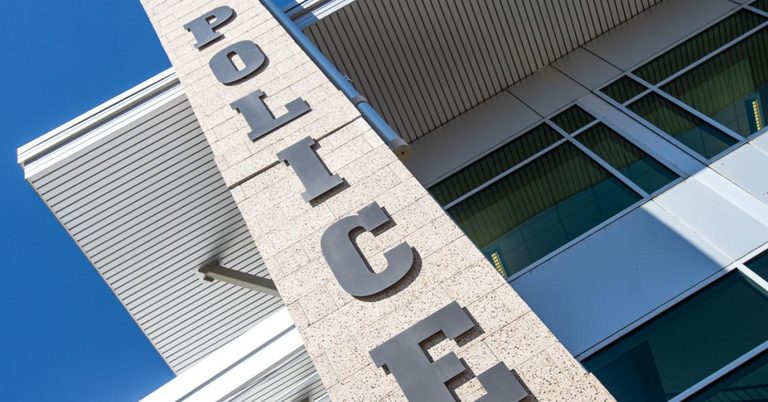
After Nampa voters rejected a $5 million public‑safety levy, the Nampa Police Department announced a phased realignment that moves officers from specialized units back onto frontline patrol, a change that directly affects how quickly police can respond to emergencies in the city.
According to Idaho Press, the levy failed with 16,577 votes (54.5%) against and 13,825 votes (45.5%) in favor, falling short of the 60% approval needed to fund 24 new patrol officers and first‑line supervisors.
Chief Joe Huff told the City Council that the realignment is intended to “safeguard emergency response times and maintain public safety services across Nampa’s growing community.” He emphasized that the department’s top priority remains answering emergency calls promptly.
The transition begins in November and will continue in phases through June 2027. Deputy Chief Curt Shankel said the first week saw two Selective Traffic Enforcement Patrol (STEP) officers, one detective, and two DUI officers return to patrol teams. In the coming weeks a narcotics officer and two additional STEP officers will be reassigned, and by June 2027 the two remaining STEP officers and one school resource officer (SRO) will join patrol, adding eleven officers. One detective from the Person Crimes Investigations division will also move, bringing the total to twelve officers shifting to patrol duty.
As a result, the department will operate with reduced capacity in specialized traffic enforcement, DUI investigations, and criminal investigations. By January 1, the city will essentially have no dedicated officers for DUI or motor‑vehicle enforcement, and detective divisions will have fewer staff, with a recently retired lieutenant not being replaced.
Special‑event coverage will now depend on meeting daily patrol minimums first; any extra support will be provided through overtime paid by event organizers such as the Ford Idaho Center and Nampa Civic Center. This marks a shift from the previous practice of reallocating internal staff to cover festivals and community gatherings.
What’s next: The department will continue reassigning officers on the outlined schedule, while reviewing its call‑response plan to adjust for the reduced specialized resources. Residents can expect the department to prioritize patrol readiness, and any large‑scale events will require organizers to budget for contracted overtime police coverage.
Sources: idahopress.com, idahopress.com