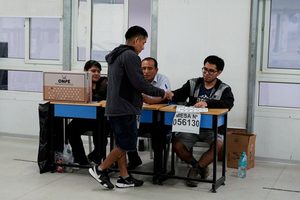
In a closely watched presidential race in Peru, early results from the pollster Ipsos indicate a statistical tie between candidates Roberto Sanchez and Keiko Fujimori. According to the Ipsos quick count, Sanchez holds a slight lead with 50.3% of the vote compared to Fujimori’s 49.7%. This quick count, while not official, has historically been a reliable predictor of final election outcomes in Peru.
Urban vs. Rural Divide
The election results underscore a significant divide between urban and rural voters in Peru. Fujimori has shown strong support in Lima and other urban coastal areas, whereas Sanchez has garnered substantial backing in rural regions and the sierra. This urban-rural split mirrors the dynamics of the 2021 presidential runoff, where Fujimori faced off against Pedro Castillo in a similarly tight race.
During the 2021 election, the final results were delayed due to numerous challenges and claims of nullity, which were ultimately reviewed and mostly rejected by the electoral court. Castillo was eventually declared the winner, with Sanchez serving as the foreign trade and tourism minister in his administration.
Awaiting Final Results
As the nation awaits the official count, the tight race between Sanchez and Fujimori highlights the ongoing political polarization in Peru. Both candidates represent different visions for the country’s future, with Sanchez appealing to rural and indigenous populations and Fujimori drawing support from urban and business sectors.
The outcome of this election will have significant implications for Peru’s political landscape, as the country continues to navigate economic challenges and social issues. Observers are closely monitoring the situation, anticipating potential disputes or challenges similar to those seen in previous elections.
Original reporting: Appleton, WI News Feed (HLL/CB) — read the source article.