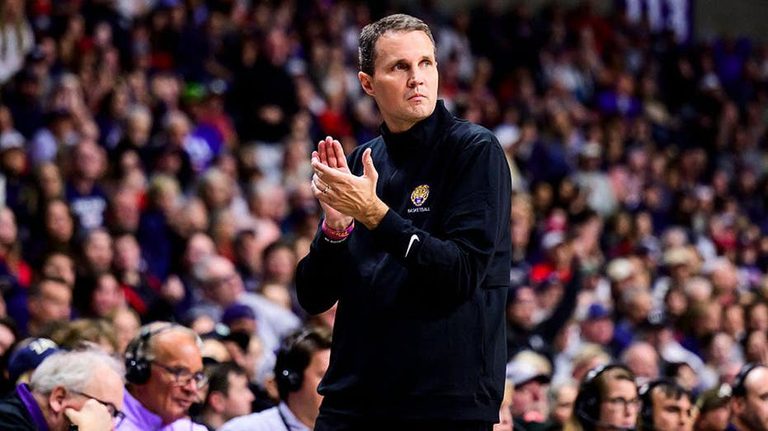
On Wednesday night, LSU basketball coach Will Wade sent former professional guard RJ Luis Jr. onto the court during the Tigers’ game against Louisiana‑Monroe. The decision came just minutes after a Baton Rouge judge issued a preliminary injunction that permits LSU to roster the player, despite the SEC’s ongoing legal challenge.
Legal backdrop
Over the past five days, 19th Judicial District Court Judge William Jorden granted the injunction that clears the way for Luis to play. The ruling follows a broader dispute between LSU and the SEC over eligibility rules for athletes who have previously signed professional contracts. LSU has been fighting the conference on both football and basketball fronts, arguing that the SEC’s interpretation of its bylaws unfairly restricts players seeking an additional year of competition.
LSU’s position
Coach Wade defended the move, stating, “He was eligible, and he played,” and emphasized that the university believes the court order supports its actions. LSU’s athletic department has repeatedly asserted that the player meets all eligibility requirements and that the SEC’s stance is “inconsistent with the expectations and responsibilities of SEC membership.”
SEC response
The SEC released a statement expressing disappointment, calling LSU’s reliance on its own interpretation of the court order “deeply concerning.” The conference maintains that its rules are designed to preserve competitive balance and that any deviation could set a problematic precedent.
Ongoing litigation
In addition to the Baton Rouge injunction, the SEC has filed a separate lawsuit in an Alabama federal court alleging that LSU officials violated the conference’s rules and, in the process, infringed on the SEC’s First Amendment rights. LSU’s legal team has countered, accusing the conference of presenting “hallucinated” claims and seeking to hold the SEC in contempt for threatening further action.
Attorney Tony Clayton, representing RJ Luis Jr., said his client intends to pursue contempt proceedings against the SEC, arguing that the conference’s threats constitute an unlawful attempt to punish LSU for following the court’s order.
Impact on the program
The decision to play Luis sparked immediate debate among college sports observers. Some critics view the move as a direct challenge to conference authority, while supporters argue that LSU is defending the rights of student‑athletes to pursue their education and athletic careers.
Regardless of the legal outcomes, the incident underscores the growing tension between individual schools and the SEC over eligibility standards, especially as more athletes navigate the transition between professional contracts and collegiate competition.
What’s next?
Both sides are expected to continue filing motions and appeals. The SEC has indicated it will seek clarification from the court on the scope of the injunction, while LSU plans to proceed with its roster decisions in accordance with the judge’s order.
Fans and stakeholders will be watching closely as the case develops, aware that the resolution could affect not only LSU’s basketball program but also broader conference policies governing player eligibility.
Original reporting: Fox News (HLL/CB) — read the source article.