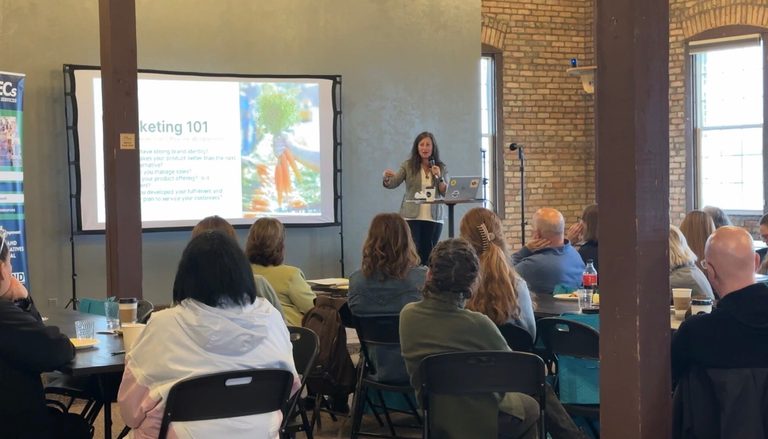
Minot, N.D. – On Wednesday morning, the Taste and Talk Growing Markets Summit brought together dozens of North Dakota’s local food producers with grocery buyers, restaurant owners and school food‑service operators. The event, organized by the North Dakota Association of Rural Electric Cooperatives, focused on expanding wholesale channels for home‑grown produce, meat and value‑added products.
Connecting producers with regional buyers
“It’s really about working with local food producers, everything from produce growers to meat producers,” said Ellen Huber, rural development director for the association. Huber explained that many small‑scale growers rely on farmers’ markets or seasonal subscription boxes, which limit their reach. “We have some grocery stores, some restaurants that are staking their claim on local, but for the most part, those foods can be hard for our consumers to access,” she noted.
The summit gave producers a chance to meet face‑to‑face with buyers from across the region, discuss pricing, packaging and distribution logistics, and learn how retailers are incorporating—or planning to incorporate—local items onto their shelves.
Schools as a growing market
School districts emerged as a key target for local growers. Huber highlighted that most of the state’s agricultural output is currently sold as a commodity, processed elsewhere and later shipped back into North Dakota. “If we can consume more of the food that we produce locally, those dollars then stay in all of these rural communities and small towns across the state,” she said.
Representatives from several school food‑service agencies attended the summit, expressing interest in sourcing fresh, locally produced fruits, vegetables and proteins for student meals. The dialogue underscored a broader push to strengthen nutrition programs while supporting the state’s family farms.
Toward a permanent food hub
One of the summit’s long‑term goals is the creation of a regional food hub in the former Dot’s Pretzels facility. The hub would provide shared processing, storage and distribution services, giving small producers the infrastructure they need to compete with larger agribusinesses. Huber said producers are being invited to outline the services they would find most valuable, from cold‑storage space to packaging assistance.
“Today is about connecting people in the regional food supply chain, so producers talking to one another, but talking to grocers from around the region and learning how they either are incorporating local foods or would like to put those products on their shelves,” Huber added.
Economic impact for rural North Dakota
By fostering direct relationships between growers and buyers, the summit aims to keep more of the state’s agricultural revenue within North Dakota’s borders. The initiative aligns with broader efforts to diversify the rural economy, reduce reliance on out‑of‑state processing, and create jobs in logistics, packaging and retail.
Attendees left the day with new contacts, potential contracts and a clearer picture of how a collaborative food hub could serve as a catalyst for regional growth. The summit concluded with a local food showcase, where producers displayed samples and discussed future partnerships.
Looking ahead
Organizers plan to hold follow‑up meetings throughout the year to refine the hub’s business model and secure funding. With strong interest from both producers and buyers, the Taste and Talk Summit may become an annual fixture, reinforcing Minot’s role as a hub for North Dakota’s agricultural community.
Original reporting: KFYR-TV Bismarck (news) — read the source article.