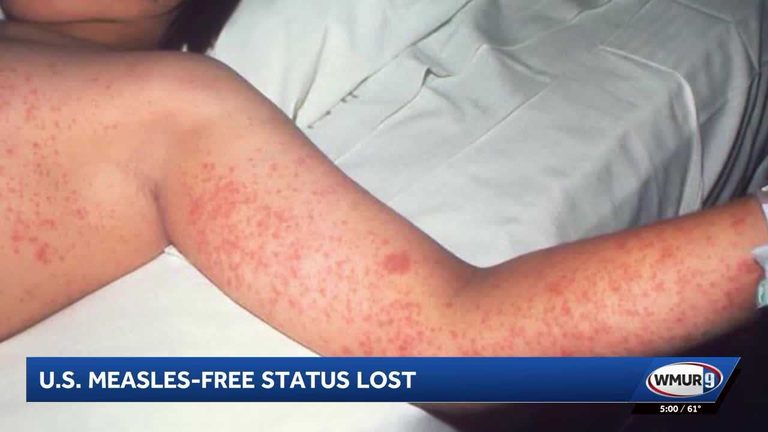
New Hampshire currently reports no measles cases for 2026, yet local physicians say the situation demands continued vigilance. The Pan American Health Organization recently announced that the United States has lost its measles elimination status, meaning the country now experiences continuous domestic transmission of the virus.
National context and local numbers
The Centers for Disease Control and Prevention (CDC) recorded 5,412 measles cases across the United States as of Thursday, nearly double the total reported in 2025. Although the national trend is concerning, New Hampshire’s own data show zero confirmed cases this year.
Physicians explain why preparedness matters
“We learned about measles from textbooks, but many of us never saw a case in residency,” said Dr. Tella Sadighpour, a family‑medicine physician who now practices in a state without elimination status. “When a case does appear, treatment is mostly supportive, but early recognition is essential to prevent spread.”
Dr. Christopher Ohl of Dartmouth‑Hitchcock Medical Center added that while the state’s overall vaccination rate hovers around 93 %, there are pockets—particularly in the eastern and northern regions—where coverage drops to as low as 65 %. “We want families in those areas to step up and ensure their children have received both measles shots,” he said.
Public‑health response
The New Hampshire Department of Health and Human Services (DHHS) confirmed that the loss of elimination status will not alter its operational approach. “DHHS remains focused on disease prevention, surveillance, and rapid response to any potential cases,” the agency stated. Suspected measles cases must be reported promptly for investigation.
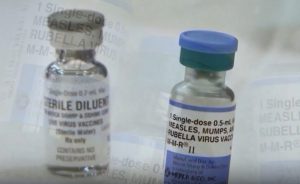
DHHS emphasized vaccination as the most effective protection against measles, urging parents to follow the recommended immunization schedule.
School district guidance
In a joint statement, the Manchester School District and Manchester Health Department reiterated their commitment to monitoring illness outbreaks. “We encourage families to consult healthcare providers about recommended vaccinations and to keep sick students at home to help prevent spread,” the statement read.
Why vaccination matters
Public‑health experts attribute the recent rise in measles cases nationwide to declining vaccination rates. Maintaining high coverage helps protect those who cannot be vaccinated for medical reasons and prevents the virus from re‑establishing sustained transmission.
New Hampshire’s strong overall vaccination rate is a positive sign, but the identified low‑coverage areas highlight the need for continued community outreach and education. Parents, faith leaders, and local organizations are urged to partner with health officials to keep children protected.
Looking ahead
Doctors stress that even without current cases, the threat remains real. Continued surveillance, rapid reporting, and high vaccination uptake are essential tools to keep New Hampshire measles‑free.
Original reporting: WMUR (Hearst) – local news — read the source article.