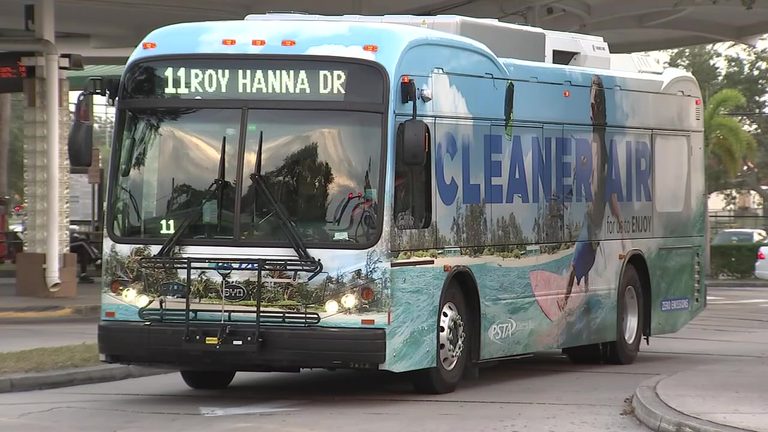
Pinellas County officials approved a steep fare increase for a subset of disabled riders using the Pinellas Suncoast Transit Authority (PSTA). The board set a $12 charge for riders who are disabled and live more than three‑quarters of a mile from their regular routes, a move directly tied to the financial impact of the newly passed Amendment 3.
Background and public reaction
During the planning board meeting, administrators outlined a proposal to raise the current $4.50 fare to $30. Public comments quickly pushed the board to adopt a lower, though still significant, $12 rate. One speaker warned, “This is devastating to our community. We are at your mercy,” pleading for a compassionate approach because many riders lack alternative transportation.
Bonnie Sato, PSTA’s senior representative, emphasized the agency’s mission, stating, “What we provide is life‑sustaining service to people who don’t have any other options. Cutting elsewhere means cutting someone’s life‑sustaining transportation, and that is so hard.” She added that the fare increase will affect roughly 950 riders a year—about 4 % of the 25,000 disabled passengers who rely on the system.
Financial pressure from Amendment 3
Amendment 3 is projected to strip PSTA of $15 million in its first year and $22 million in the second. To offset the shortfall, the agency is considering cutting 25 of its 40 routes, including 12 core routes that serve high‑density corridors. The loss could also extend to revenue from contracts with local governments, such as the City of St. Pete Beach, which recently terminated its Gulf Blvd. beach trolley service.
Sato acknowledged the grim reality, saying, “Fixed‑route riders, paratransit riders, riders who have no other alternatives are going to lose service and there’s nothing that we can do about that. Amendment 3 has passed and this is the reality that we have to move forward with, unfortunately.”
Boardroom tension
Board member Richie Floyd questioned fellow member Barbara Haselden about her support for Amendment 3. Haselden declined to comment, walking away from reporters. Floyd later expressed frustration, noting, “The conservatives that have pushed budget cuts at this organization over the last few years didn’t have anything to say today when it came time to actually cut services for people and that was frustrating for me.”
Implementation timeline and cost comparison
The $12 fare is slated to take effect in March. PSTA maintains that even with the increase, its rates remain well below what private transportation providers charge for comparable door‑to‑door services.
While the board’s decision reflects a difficult balancing act between fiscal responsibility and community service, it also underscores the broader debate over how local governments should fund essential transit amid statewide budget constraints.
What residents can do
Disabled riders and their families are encouraged to contact PSTA directly for assistance with fare subsidies or alternative travel options. Community groups advocating for senior and disabled transportation are also mobilizing to request additional state support and explore volunteer‑driver programs.
Original reporting: Tampa Bay Florida News (HLL/CB) — read the source article.