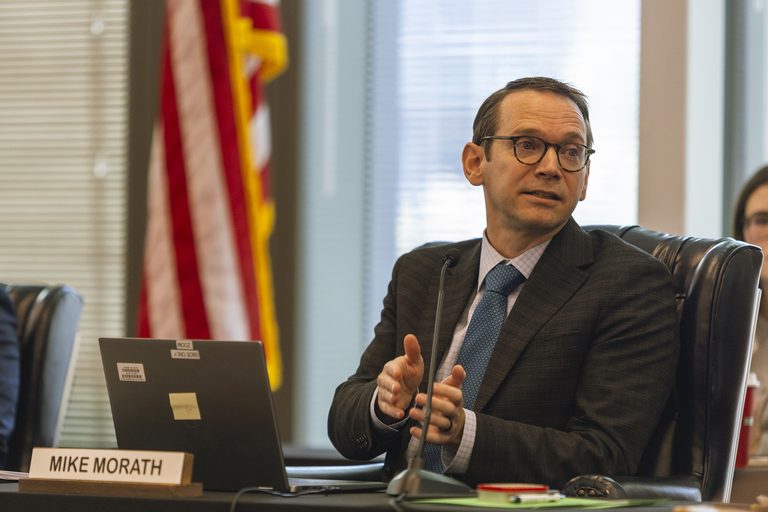
Texas public schools are on track to enroll just over 5.33 million students this year, a 2.5% decline that represents the steepest year‑over‑year drop ever recorded in the state, Education Commissioner Mike Morath announced at his final State Board of Education meeting.
Why enrollment is falling
Morath attributed the decline primarily to two factors: a sustained drop in birth rates and a slowdown in migration into Texas. In 2020 the state recorded 368,300 births, and recent data show a “very significant” decrease in births since then. Because first‑grade enrollment historically mirrors birth rates from the preceding six years, fewer children are entering classrooms now.
Funding implications for districts
Public‑school funding in Texas is largely tied to student attendance, so fewer students mean less money for more than 1,200 districts and charter networks. Morary warned that districts will face an “operating challenge” that could include school closures until demographic trends shift. Even a proposed $1,000 per‑student increase in the basic allotment—advocated by Democratic legislators—would not fully offset the revenue loss caused by the enrollment shortfall.
Impact on special‑education and immigrant students
While overall enrollment is dropping, the state projects a modest rise in students receiving special‑education services, from about 903,000 to over 928,000. Data on immigrant students remain incomplete, but Texas reported a loss of more than 14,200 immigrant students last school year amid stricter immigration enforcement under President Donald Trump.
Historical context
The projected loss exceeds the 122,354‑student decline recorded during the COVID‑19 pandemic, the only other major drop in the past four decades. The previous year saw a decline of roughly 76,000 students—the first non‑pandemic decrease in nearly 40 years, according to policy group Texas 2036.
What local leaders can do
Morath emphasized that wise local leadership will be essential. School boards may need to consider consolidating resources, adjusting staffing, and exploring cost‑saving measures while maintaining educational quality. He noted that the graduating senior class this year is larger than the incoming first‑grade cohort, a reversal that underscores the urgency of strategic planning.
Looking ahead
Official enrollment numbers are expected in February when the Texas Education Agency releases its formal snapshot. Until then, districts must prepare for continued demographic shifts that could reshape Texas education for the foreseeable future.
Original reporting: Texas Tribune (HLL/CB) — read the source article.