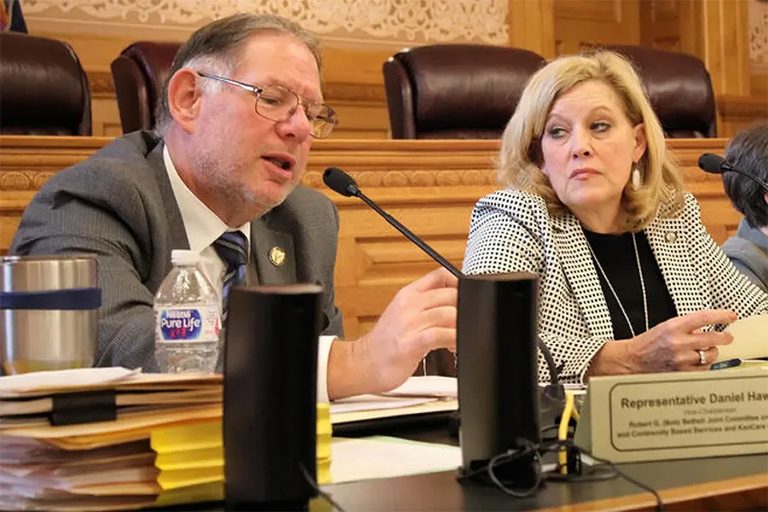
Republicans will retain control of the Kansas House of Representatives for the 2027 session, but the party’s 68 seats fall short of the 84 votes needed to override a gubernatorial veto without Democratic support. The loss of a supermajority – a power the GOP has held for more than 15 years – reshapes the legislative landscape and forces both sides to seek compromise.
Election results shift the balance of power
Democrats made significant gains, picking up 20 seats and ending the long‑standing Republican supermajority. While the GOP still holds a majority, the narrower margin means any major legislation will likely require Democratic backing, especially on issues that could face a governor’s veto.
New leadership emerges
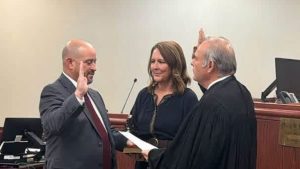
Governor‑elect Kris Holscher, speaking at her first address, urged Kansans to set aside partisan politics and work together for the good of the people. The upcoming leadership elections on Dec. 7 will bring new faces to the Republican caucus, as House Speaker Dan Hawkins departs for the role of state insurance commissioner and Majority Leader Chris Croft is projected to lose his reelection bid.
Speaker Pro Tempore Blake Carpenter, a Sedgwick County lawmaker, emphasized the need for unity, saying, “Every person that’s running for these leadership positions is going to make their case… We’re going to stay focused on issues such as property tax relief and balancing the state budget.”
Policy priorities under a tighter majority
Republican Rep. Kyle Hoffman, a farmer from near Coldwater, announced his candidacy for House majority leader. He warned that the smaller majority will require the GOP to be more selective about the bills it advances, particularly with a Democratic governor who could veto legislation.
Hoffman attributed the party’s losses to national concerns, including voter frustration over the war, high gas prices and President Donald Trump’s popularity. He called for common‑ground solutions on fiscal matters like taxes and the state budget while maintaining firm positions on social issues.
Medicaid expansion remains a flashpoint
One of Governor‑elect Holscher’s signature promises – expanding Medicaid to cover roughly 150,000 low‑income Kansans – faces an uphill battle. While expansion would reduce uncompensated care for rural hospitals, Republican leaders have labeled the proposal a “dead issue.” Holscher reiterated her commitment, stating, “We’ll work to expand Medicaid in Kansas because it’s a good idea for Kansas.”
The federal framework for Medicaid, often referred to as the “One Big Beautiful Bill,” would increase administrative burdens and impose strict caps on state funding, complicating the policy’s implementation.
Property tax relief offers a potential bipartisan win
Property tax reform is emerging as a likely area of cooperation. Both House Democrats and Republicans agree on the need for relief, though they differ on the mechanism. Senate Republicans previously favored a 3% annual valuation growth cap, while House Republicans preferred a six‑year averaging system. Neither plan was enacted last session.
Hoffman suggested rebate programs or direct cash returns to residents as possible solutions, emphasizing the need for measures that truly impact Kansans’ wallets.
Democratic leadership prepares to leverage new influence
Johnson County Democrat Brandon Woodard, House minority leader, said his party is ready to use its stronger position. He highlighted priorities such as raising the state minimum wage, reinstating a renters’ rebate program eliminated under former Republican Gov. Sam Brownback, and pursuing property tax relief.
Woodard noted that while Republicans still control most committees, a single Democratic vote on key committees could tip the balance on critical bills.
Looking ahead
With the GOP losing its supermajority, Kansas lawmakers will need to navigate a more collaborative environment. Issues like Medicaid expansion, property tax reform and budget priorities will test the ability of both parties to find common ground, reflecting the voters’ desire for pragmatic solutions over partisan gridlock.
Original reporting: Johnson County Post (Overland Park) — read the source article.