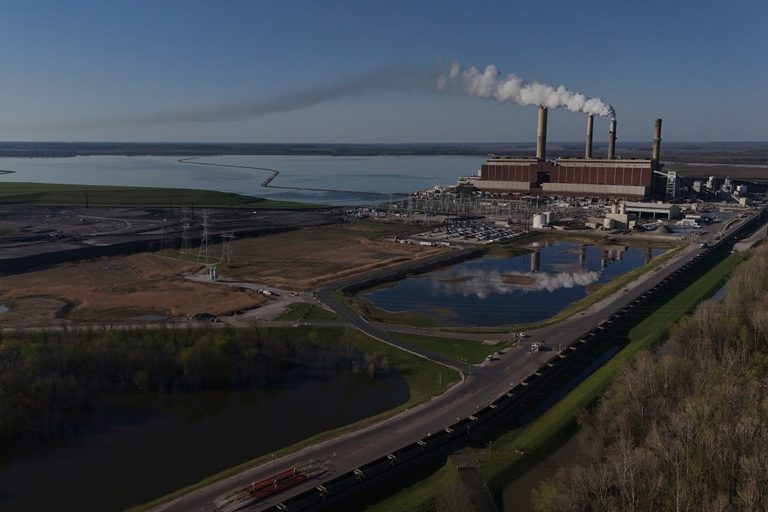
The Environmental Protection Agency, under the Trump administration, has put forward a proposal to repeal the remaining greenhouse‑gas standards that apply to fossil‑fuel power plants. The agency says the move is intended to keep energy affordable and reliable for American families, especially in states that rely heavily on coal and natural gas for electricity.
States take opposite sides
More than 165,000 comments were submitted during the public comment period, reflecting a stark split. Attorneys general from 22 largely Democratic‑leaning states, the District of Columbia, and officials from New York City, Denver, Chicago and California’s Bay Area warned that the rollback would increase emissions and threaten public health. They cited a National Academies study that links human‑generated greenhouse gases to worsening climate impacts.
In contrast, attorneys general from West Virginia and 24 other Republican‑leaning states defended the proposal, saying it correctly reverses previous EPA attempts to reshape the nation’s electricity sector. They argued the change would let states secure “affordable, reliable, and environmentally responsible” energy for their residents.
Local concerns and tribal opposition
North Dakota, which collects a coal conversion tax that funds schools and other services, submitted a comment supporting the supplemental proposal, emphasizing its interest in maintaining revenue for local government programs.
The National Tribal Air Association, representing 162 tribes, opposed the EPA’s actions, noting that many fossil‑fuel generators sit near American Indian and Alaska Native communities. The association warned that increased emissions could disproportionately affect tribal members’ health.
Medical and public‑health groups weigh in
More than 70 medical and public‑health organizations, including the American Medical Association and the American Lung Association, submitted comments opposing the rollback. They argued the changes would harm children, older adults, outdoor workers, pregnant individuals, low‑wealth communities and communities of color, who already face disproportionate health impacts from climate change and extreme weather.
Legal and regulatory context
The EPA’s proposal follows a final rule that took effect earlier this month, partially repealing 2024 emissions standards for fossil‑fuel power plants. If the new proposal is finalized and upheld by the courts, it would eliminate the remaining greenhouse‑gas regulations for these facilities.
Attorney Carrie Jenks of Harvard Law School’s Environmental & Energy Law Program noted that ongoing court cases could affect the EPA’s authority. She observed that states supporting EPA regulation often also support their own authority to regulate emissions, while other states favor limiting EPA power.
What the administration says
EPA officials argue the agency lacks statutory authority to regulate power‑plant greenhouse gases under the Clean Air Act, and that the proposed repeal will protect consumers from higher energy costs while preserving grid reliability.
Critics, however, contend the agency is abandoning its duty to protect public health and welfare, citing the agency’s own 2015 finding of authority and the consensus scientific evidence of climate harm.
Looking ahead
The proposal will be reviewed by the courts, and the public comment record will be considered before any final rule is issued. The debate highlights a broader national conversation about the balance between environmental protection, state autonomy, and the need for affordable energy.
Original reporting: The Connecticut Mirror — read the source article.