Madison resident and college student Brady Lammert wrote to Wisconsin Watch urging state leaders to prioritize the restoration of the Knowles‑Nelson Stewardship Program. Lammert argues that Wisconsin’s state parks are more than recreational spaces; they are critical ecosystems that can help the state combat climate change.
State parks as climate allies
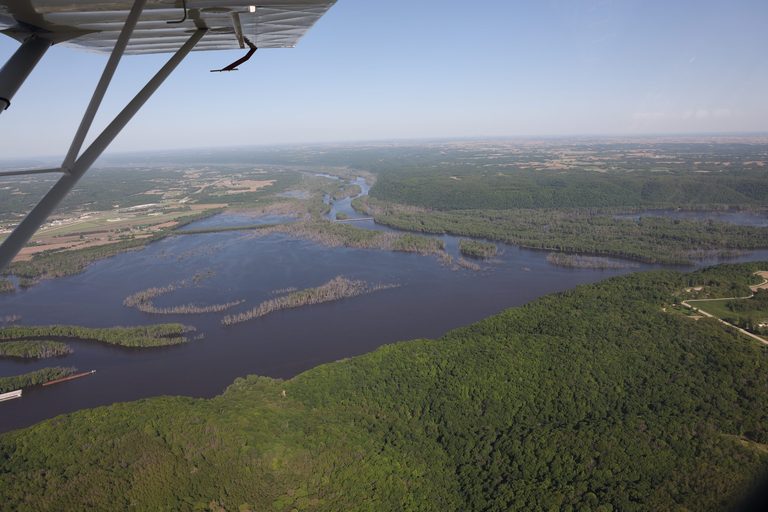
According to America’s State Parks, the network of public lands across the United States provides both ecological and human benefits. In Wisconsin, these parks preserve native plants and animals, offering them space to thrive in their natural habitats. Hardwood forests, a common feature of many state parks, improve air quality and absorb carbon dioxide, directly counteracting the greenhouse‑gas emissions that drive global warming.
Why the Knowles‑Nelson Stewardship Program matters
The Knowles‑Nelson Stewardship Program, created to fund conservation projects within the state park system, has faced budget cuts in recent years. Lammert contends that restoring the program would enable targeted investments in forest restoration, water‑management projects, and erosion control—measures that can reduce the severity of flooding, a growing concern across Wisconsin’s river valleys.
Deep‑rooted trees, for example, help soak up excess water, slowing runoff and protecting downstream communities from flood damage. By bolstering forest health, the state can also enhance wildlife corridors, ensuring that species have the habitat they need to survive as climate patterns shift.
Local impact and broader implications
For residents like Lammert, the benefits of healthy state parks are immediate. “Even as a college student, I am already seeing how climate change is transforming our local ecosystems,” the letter states. Protecting and expanding these natural areas supports outdoor recreation, tourism, and the quality of life that many Wisconsinites cherish.
Beyond recreation, robust park ecosystems contribute to a sustainable future for the entire state. Healthy forests act as carbon sinks, while well‑managed wetlands filter pollutants and improve water quality for drinking supplies and agriculture.
Calls to action
Lammert urges state legislators, the Department of Natural Resources, and the governor’s office to allocate sufficient funding to the Knowles‑Nelson Stewardship Program. Restoring the program, the letter argues, would be a concrete step toward addressing climate‑related challenges and preserving Wisconsin’s natural heritage for future generations.
Community members, environmental groups, and local businesses that depend on tourism are encouraged to voice their support for the program’s reinstatement. By rallying around a shared goal—protecting the state’s parks and the climate benefits they provide—Wisconsinites can demonstrate the power of local action in the broader fight against climate change.
About the author
Brady Lammert is a resident of Madison, Wisconsin. Guest commentaries on Wisconsin Watch reflect the independent views of their authors and are not endorsed by the newsroom.
Original reporting: Wisconsin Watch — read the source article.