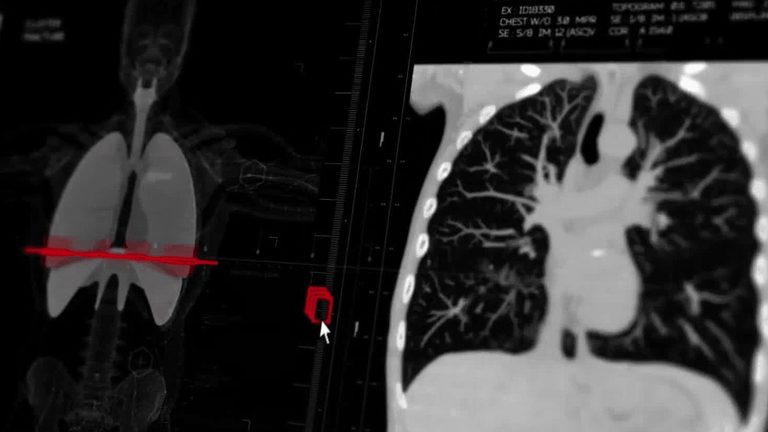
New York’s performance in the fight against lung cancer received a mixed review in the American Lung Association’s annual State of Lung Cancer report. The state earned a fourth‑place ranking out of 43 states for five‑year survival rates and a second‑place ranking for surgical treatment, signaling strong progress in patient outcomes.
Screening remains a critical gap
Despite these high rankings, the report highlighted a stark shortfall in early detection. Only 29.8% of New Yorkers who meet eligibility criteria have been screened for lung cancer. The Association defines eligibility as adults ages 55 to 80 who have a smoking history of at least a 15‑pack‑year (roughly a pack a day for 15 years). Early detection can dramatically improve survival odds, according to Michael Seilback, assistant vice president for nationwide advocacy at the American Lung Association.
“Anyone with lungs can get lung cancer, and that’s something we really want everyone to understand,” Seilback said. “People at high risk are generally between the ages of 55 and 80 and have a significant smoking history.”
Improving survival rates
The report noted a 72% increase in the five‑year survival rate since the Association began tracking the metric in 2018, when the survival rate was about 18%. This improvement reflects advances in treatment, surgical techniques, and broader access to targeted therapies.
Biomarker testing and insurance coverage
New York also stands out for requiring insurance coverage of biomarker testing, a tool that helps doctors identify genetic characteristics of a tumor and match patients with the most effective therapies. Access to such testing is a key component of personalized cancer care.
Addressing preventable causes
Smoking remains the leading cause of lung cancer in the state, followed by radon exposure—an invisible gas that can accumulate in homes. Seilback urged residents to test their homes for radon regularly and to consider smoking cessation resources.
Legislative action on clinical trials
Beyond screening and treatment, the American Lung Association is urging Congress to pass the bipartisan Clinical Trial Modernization Act. The legislation would streamline access to clinical trials, potentially expanding treatment options and saving more lives.
State and local health officials can play a role by promoting awareness of screening guidelines, supporting radon‑testing programs, and ensuring that insurance policies continue to cover essential diagnostic tests. As the data show, New York is on a positive trajectory, but closing the screening gap will be essential to sustain and build on the gains in survival.
Original reporting: CBS 6 WRGB Albany (local) — read the source article.