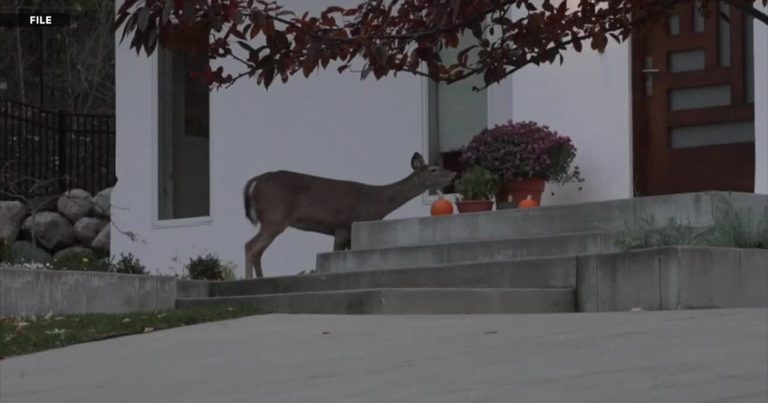
At a Tuesday city‑government meeting, Grand Rapids officials discussed launching a pilot deer management program that would operate on private property rather than city‑owned land. The proposal follows a county‑wide effort by the Kent County Deer Management Coalition to curb the state’s highest rate of deer‑vehicle crashes in Kent County.
Why the program matters
Data presented by the coalition shows that Grand Rapids has seen a year‑over‑year rise in deer removed from roadways, reflecting a growing deer population that threatens both motorists and the health of local ecosystems. Over‑grazing has left many wooded areas stripped of vegetation, increasing erosion and reducing habitat quality for native wildlife.
Jerry Byrne, managing director of the Kent County Road Commission, explained that a coordinated harvest could create a healthier herd and give over‑grazed woodlands a chance to regenerate. “We would really need all six major cities to say we need to be part of this because the reason we did this as a countywide effort is everybody has to do their part,” Byrne said. “Otherwise, you’re defeating your purpose. We either do it as a whole, or we’re just chasing deer from one spot to the other.”
Program goals and targets
The coalition’s two‑year plan aims to reduce deer‑related crashes in Kent County by 1,050 incidents by increasing annual deer harvests by 1,900, focusing on antlerless deer that contribute most to population growth. If successful, the effort could remove roughly 13% to 20% of the county’s deer herd.
Grand Rapids city manager Mark Washington noted that the city’s earlier attempt in 2024 to manage deer on city‑owned property was halted after residents raised concerns about proximity to homes. “This time we’re looking at private land at least 450 feet from occupied residences,” Washington said. “We’ve begun conversations with landowners and will conduct community outreach as the process moves forward.”
Community response
Neighbors have expressed mixed feelings about deer management in the past, citing concerns about safety, animal welfare, and property impacts. However, many residents recognize the danger of frequent deer‑vehicle collisions, which can result in serious injuries, fatalities, and costly vehicle damage.
Local wildlife advocates argue that a controlled harvest is a humane and effective way to balance deer populations with the health of forested areas. They point to examples in other Michigan communities where similar programs have led to measurable declines in crash rates and improved forest regeneration.
Next steps
The city plans to finalize agreements with willing private landowners and develop a schedule for the first harvest season. Public outreach will include informational sessions, flyers, and a dedicated webpage where residents can learn about the program’s safety benefits and how they can support or provide feedback.
City Council members are expected to vote on the pilot proposal at the next regular meeting. If approved, Grand Rapids would join Walker and other major Kent County cities that have already committed to the countywide deer management effort.
Original reporting: FOX 17 WXMI Grand Rapids (local) — read the source article.