Shasta County supervisors wrapped up a marathon three‑hour meeting on Thursday without a definitive vote on the county’s contract with Flock, the vendor that supplies the 24 automated license‑plate readers (ALPRs) installed across the county last year. Instead, the board voted to explore ways to bring the issue to the ballot, signaling that the ultimate decision will rest with voters.
Public opposition dominates comment period
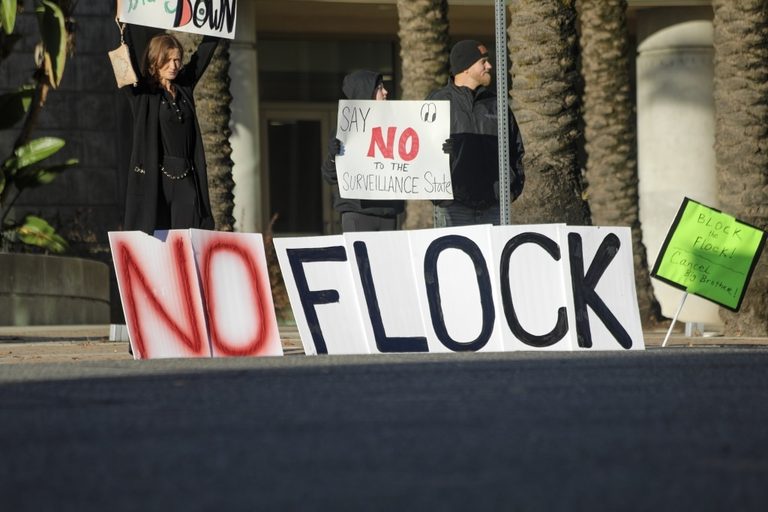
More than 40 members of the public addressed the board, with Supervisor Matt Plummer counting 33 speakers opposed to the cameras and only eight in favor. Protesters gathered outside the county administration building before the meeting, and many first‑time commenters voiced concerns about privacy, data retention and the potential for facial‑recognition technology.
Supervisors’ response
Supervisor Corkey Harmon opened the discussion with a pointed question: “Do I want to be responsible for your loved one not being protected? I don’t want that responsibility.” Harmon, along with other supervisors, expressed sympathy for community worries but stopped short of ordering the cameras shut down.
Supervisor Kevin Crye, who voted to approve the cameras last year, moved to place the matter on the next agenda for a charter amendment or other ballot measure that would let voters decide the future of the ALPR program. Crye said, “I’ve lost faith in government in my four years since I’ve been up here. I think the electorate should be the ones to weigh in on things of such a substantial nature.” The motion received no second.
Sheriff’s office offers reassurances
Shasta County Sheriff Michael Johnson and Lieutenant Kody Bodner presented the department’s perspective, emphasizing that the cameras serve as a “force multiplier” that can enhance public safety at a lower cost than hiring additional staff. Johnson noted that community pushback has helped identify areas for policy tightening and better oversight.
“I got educated on a lot of things and had a chance to look at our internal system and see that we do have the ability to tighten some things up and to maintain the integrity of that system,” Johnson said.
Lieutenant Bodner explained that audit logs released earlier this summer omitted personally identifiable information, as required by state law, but that all mandated data had been documented.
Community reaction
Anderson City Council member Darin Hale and activist Ashley Rudolph, who have led opposition to ALPRs in both Anderson and Shasta, expressed mixed feelings. While they welcomed the prospect of a future ballot, they criticized the board for “circumvent[ing] the will of the people” by not taking immediate action.
Rudolph added, “I keep making lots of new friends around Flock activism, and I think it’s one of the greatest things that could happen in our community. The bad thing is the board is going to create a divide between us and the police department.”
Next steps
The board also voted, at Supervisor Plummer’s request, to request a formal presentation from the sheriff’s office on potential policy updates. Sheriff Johnson welcomed the move, stating, “I’m an elected official just like the rest of the supervisors are and I’m elected to discharge the will of the people. I trust the voters of this county to make that decision.”
With the board’s decision to defer to a future ballot, activists and supporters alike will likely intensify their outreach as the county prepares for a public vote on the ALPR program.
Original reporting: Shasta Scout (Redding) — read the source article.