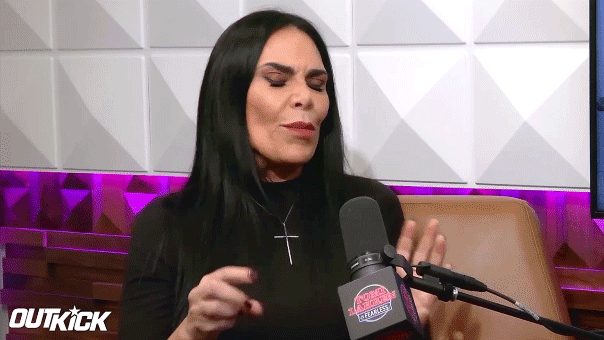
Former reality‑TV personality Renee Graziano used the “Tomi Lahren Is Fearless” podcast to voice strong opposition to New York City Mayor Zohran Mamdani’s recent public‑safety reforms. Graziano, who rose to fame on the show “Mob Wives,” said the mayor is “not my choice” and that she disagrees with him on “probably everything” when it comes to keeping the city’s streets safe.
Mayor’s plan to restructure protest response
Mayor Mamdani, together with NYPD Commissioner Jessica Tisch, announced on Monday the dissolution of the Strategic Response Group (SRG), a unit that had handled both counter‑terrorism and protest‑related duties. The SRG’s counter‑terrorism responsibilities will be transferred to the department’s Intelligence and Counterterrorism Bureau, while a new civilian‑led Community Dialogue and De‑escalation Division (CDDD) and specialized NYPD teams will take over protest response.
Graziano’s criticism of crime‑policy direction
Graziano argued that the mayor’s reforms ignore the reality of repeat offenders being released too quickly. “You’re letting men out that raped women, and they get out and they rape women. They’re out the door 20 seconds later, and they’re still committing crimes,” she said. She also highlighted personal attacks she has faced on social media, where commenters labeled her a “MAGA” supporter and a “Trumper” for simply demanding safer streets.
Call for national commitment and personal choice
Beyond the city‑specific debate, Graziano urged all Americans to be fully committed to the country, stating, “We are America. Either we’re all in or we’re out. If you don’t want to be here, you can leave.” She emphasized that her political preferences are a private matter, adding, “First of all, who I decide to pick is my business. I don’t need to tell anybody, it’s my choice.”
Mayor Mamdani’s response
At a news conference, Mayor Mamdani defended the decision to end the SRG, noting that protest policing and counter‑terrorism are “fundamentally different responsibilities.” He reiterated his campaign promise to separate the two, saying, “New Yorkers exercising their constitutional right to protest should not be met with the same police response as a terrorism threat. I made this promise over the course of the campaign, and I’m proud to be fulfilling it.”
Context of the debate
The discussion reflects a broader national conversation about how cities balance public safety with civil liberties. While some residents, like Graziano, call for stricter crime enforcement, city officials argue that reforming protest‑response units protects First Amendment rights and reduces the risk of over‑militarized policing. The new CDDD aims to foster community dialogue and de‑escalation, a model some other municipalities are watching closely.
What’s next for New York City?
The restructuring will take effect in the coming weeks as the NYPD reallocates resources. Critics say the move could leave the city vulnerable to protest‑related violence, while supporters argue it will restore trust between law enforcement and the community. Both sides agree that the outcome will shape how New York City handles public safety and civil protest in the future.
Original reporting: Fox News (HLL/CB) — read the source article.