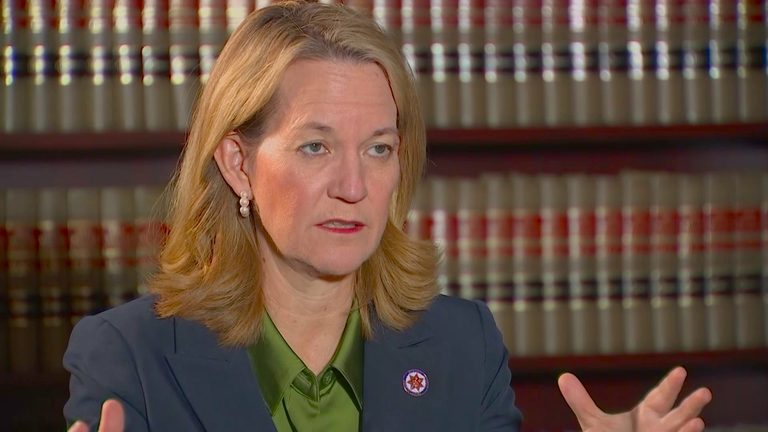
Phoenix – Arizona Attorney General Kris Mayes used her first interview after winning a second four‑year term to lay out a robust agenda aimed at protecting Arizonans from fraud, safeguarding children online, and preserving the state’s water resources.
Consumer fraud and elder‑abuse focus
Mayes said her office will continue to pursue consumer‑fraud, antitrust and criminal‑fraud cases, including Medicaid fraud. She emphasized a new focus on “surge pricing” and what she called “surveillance pricing,” where retailers use shopper data to set higher prices, a practice she believes may violate the Arizona Consumer Fraud Act.
Protecting older residents remains a top priority. The AG’s office has created an elder‑abuse unit within its consumer division, staffed by attorneys and investigators who handle physical and financial abuse cases and educate seniors about scams. Mayes also warned that Bitcoin ATMs could be exploited for fraud and expressed a desire to see the machines banned in Arizona.
Holding Big Tech accountable
Mayes highlighted recent successes against social‑media companies. Arizona secured a $225 million settlement from Meta, the parent of Facebook and Instagram, and the AG’s office is pursuing a similar lawsuit against TikTok. She wants the bulk of the settlement money directed to public schools for after‑school programs, sports and counseling to help teens reduce screen time and address screen‑addiction concerns.
The Meta deal also includes new protections for young users, such as limits on overnight access, school‑hour notifications and enhanced content filters. Mayes noted that lawsuits against social‑media platforms often involve attorneys general from both parties, underscoring a bipartisan effort to protect children.
In a separate action, Mayes said her office has sued OpenAI over what she described as a failure to implement safeguards that protect children from harmful chatbot interactions. She said AI safety, consumer fraud and cybersecurity will be focal points of her second term.
Data centers, water and power concerns
Mayes reiterated her call for a pause on new data‑center development until Arizona can confirm sufficient water and power supplies. Her office is examining a proposed data center in Ahwatukee for a potential nuisance lawsuit and is reviewing SpaceX’s massive data‑center proposal in Cochise County for possible impacts on the electric grid. No lawsuits have been filed yet, but the AG’s office is monitoring the projects closely.
She also referenced an ongoing lawsuit over alfalfa farming in La Paz County, stating the AG will continue to use legal tools to protect Arizona’s water supplies.
Contractor fraud and opioid enforcement
Mayes said her office will be more aggressive in pursuing contractors who take customers’ money and abandon projects, citing unfinished backyard casitas as a common example. When a pattern of complaints emerges, the AG’s office will consider filing a lawsuit.
On the public‑health front, Mayes reported that her office has seized 27 million fentanyl pills over the past four years and plans to strengthen penalties for carfentanil, a highly potent synthetic opioid. She also intends to continue efforts to keep teens from obtaining kratom, an herbal supplement with abuse potential.
Looking ahead
“We want Big Tech to know that if they harm our kids or our seniors, the attorneys general of this country will come after them,” Mayes said. Her agenda reflects a blend of consumer protection, technology oversight, and resource stewardship aimed at preserving the safety and well‑being of Arizona families.
Original reporting: azfamily KTVK/KPHO Phoenix (news) — read the source article.