Toledo, Ohio – In a move aimed at strengthening neighborhood stability, the Toledo Housing Court will begin dismissing legal actions filed by property owners who carry open bench warrants or owe unpaid fines. The court announced the policy on Tuesday, emphasizing its role in reducing blight and encouraging responsible property ownership.
New verification system to be implemented
Judge Joseph Howe explained that the court is installing a new electronic verification system that will cross‑check property owners’ records before any case proceeds. The system will flag owners with outstanding warrants or fines, and automatically dismiss the associated filings, including eviction actions.
“Our goal is to ensure that property owners who are not in compliance with the law cannot use the courts to further disadvantage tenants or the community,” Howe said. “By holding owners accountable, we help protect neighborhoods from neglect and abandonment.”
Timeline and expected impact
The court expects the verification process to be fully operational by January 1, 2027. Once live, the system will run continuously, checking each new filing against the municipal database of warrants and fines. Officials anticipate a noticeable reduction in frivolous or abusive lawsuits that can exacerbate housing instability.
Local housing advocates have welcomed the change, noting that it aligns with broader efforts to combat blight in distressed areas of Toledo. “When owners ignore their legal obligations, it often leads to vacant or poorly maintained properties,” said Maria Alvarez, director of the Toledo Neighborhood Revitalization Coalition. “This policy gives the court a practical tool to intervene early and protect families from unnecessary displacement.”
How the policy fits into Toledo’s anti‑blight strategy
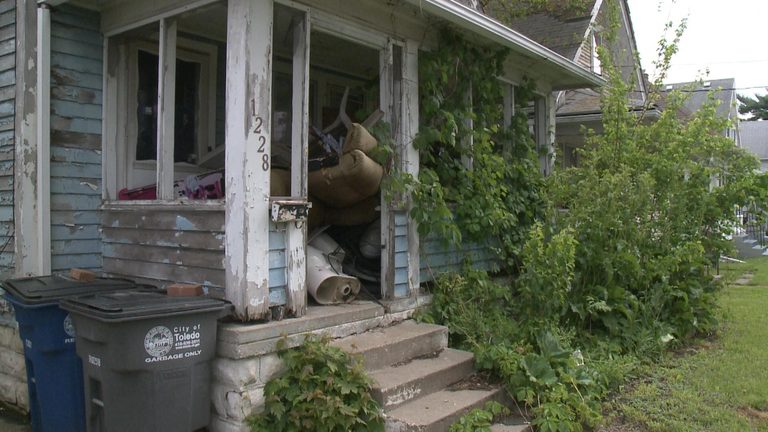
The dismissal rule is part of a larger municipal strategy to address blight, which has been a persistent challenge for the city’s downtown and older neighborhoods. Earlier this year, the Toledo City Council approved increased funding for code‑enforcement officers and launched a grant program to help owners rehabilitate vacant structures.
By preventing owners with unresolved legal issues from pursuing evictions, the court hopes to reduce the turnover of tenants and give city‑wide revitalization projects a more stable footing. “Stable tenancy is a cornerstone of thriving communities,” Howe added. “When families can stay in their homes, neighborhoods are more likely to attract investment and maintain property values.”
What property owners need to know
Owners who receive notice of an open warrant or unpaid fine are encouraged to resolve the matter promptly. The court will provide a list of outstanding obligations to each affected owner, along with instructions for clearing them. Once the warrant is satisfied or the fine paid, owners will regain the ability to file cases in housing court.
Legal aid organizations have offered to assist owners in navigating the process. “We want to ensure that everyone has a fair chance to address their obligations,” said James Patel, attorney with the Toledo Legal Aid Society. “Failure to resolve these issues could result in the loss of legal recourse, which is why we’re reaching out to help owners understand their options.”
Community response
Tenants’ rights groups have praised the court’s proactive stance, noting that it may prevent a wave of evictions that could further strain the city’s affordable‑housing stock. “This is a win for families who have already faced housing insecurity,” said Lisa Monroe, spokesperson for the Toledo Tenants Alliance. “We look forward to seeing the positive ripple effects throughout our neighborhoods.”
While some property owners expressed concern about the new scrutiny, most acknowledged the importance of complying with legal responsibilities. “It’s a reminder that we have a duty to the community,” said Mark Daniels, owner of several rental properties in the West End. “I’ll make sure my paperwork is in order moving forward.”
Next steps
The court will hold a public information session on December 15 to explain the new system and answer questions from owners, tenants, and community members. Additional updates will be posted on the Toledo Municipal Court’s website.
By integrating this verification tool, Toledo aims to create a more accountable property‑ownership environment, protect tenants, and advance its broader anti‑blight initiatives.
Original reporting: 13abc WTVG Toledo (news) — read the source article.