When wildfires swept through Hidden Valley and the Reno area this past summer, the American Red Cross of Northern Nevada found itself at the center of the emergency response. Over 1,100 people sought refuge in its shelters, volunteers logged more than 25,000 hours of service, and roughly 3,750 meals were provided to those in need.
Identifying the Gaps
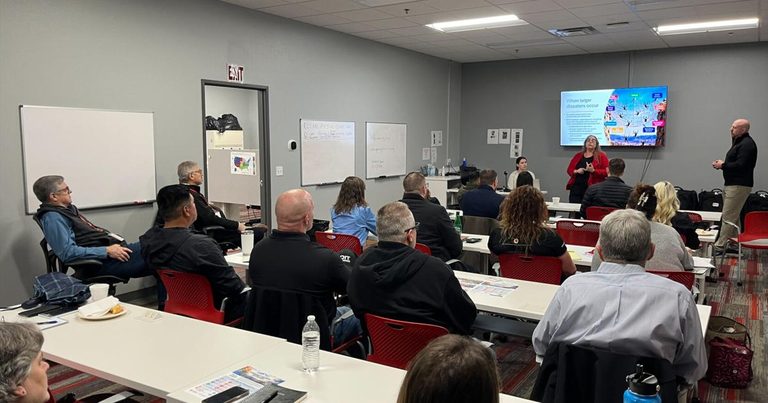
Executive Director Bridget Posson says the organization is now turning its attention to the next phase of disaster relief – long‑term recovery. “We’ve identified, hearing from the community and other organizations, some gaps in the community with long‑term recovery for survivors,” Posson explained at a recent meeting of local aid groups.
Building a Broader Network
The Red Cross is reaching out to partners such as Catholic Charities and the Salvation Army, but Posson stresses that rebuilding will require a collective effort. “It’s not going to take just one or two organizations to do that. It’s going to take all of us,” she said.
Disaster consultant Chris Smith of IEM International echoed that sentiment, urging groups to avoid duplicating aid and to focus on families that have slipped through the cracks. “This is really important for our community if we all can step up, walk elbows together and build that safety net for our disaster survivors,” Smith said.
Faith‑Based Support on the Front Lines
The Great Basin Chaplain Corps, part of the Red Cross network, provided spiritual and emotional care at evacuation shelters during the Hawk Fire. Dana Sater, the emergency response team lead for the chaplain corps, noted the importance of supporting responders as well as survivors. “We’re there tenfold for pretty much everybody that needs us,” Sater said.
Sater also encouraged neighbors to look out for one another. “Come together and help people. Help your neighbors, get to know them, listen to the stories, and join them,” she urged.
Practical Steps for Residents
Smith highlighted the need for clear personal disaster plans. “Ensure that there’s an actual understanding that if I leave town, I’m going to go this direction. And I want to communicate that because we might not have communications at the time,” he said.
Community members and organizations interested in joining the Red Cross disaster‑response network can fill out an interest form made available after the meeting.
Looking Ahead
With the summer’s emergency response now behind it, the Northern Nevada Red Cross is focused on turning lessons learned into actionable improvements. By coordinating with faith‑based groups, veteran charities, and disaster‑management experts, the organization hopes to create a more resilient safety net for Reno, Hidden Valley and the surrounding communities when the next crisis strikes.
Original reporting: 2news.com — read the source article.