Rev. Horace L. Sheffield III, a third‑generation Detroiter and pastor of New Destiny Church, is making a final public appeal before stepping back from civic activism. He urges Detroit City Council to approve the Bedrock‑General Motors proposal to redesign the Renaissance Center, a landmark that has defined the city’s skyline for decades.
Why the Renaissance Center needs a new vision
Built under Henry Ford II, the complex once symbolized both hope for renewal and a form of isolation that divided the riverfront from the city. Sheffield says the time has come to reshape that legacy. He argues the center should become a symbol of a sustainable Detroit renaissance rather than a relic of the past.
Key elements of the Bedrock‑GM plan
The proposal calls for three major changes:
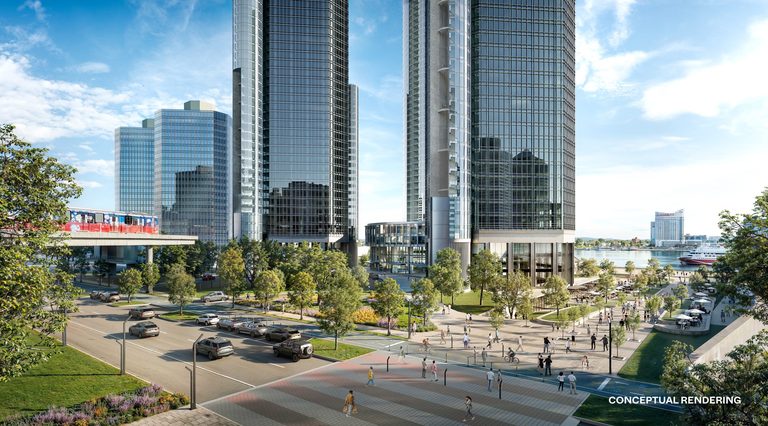
- Opening the riverfront side of the complex to make it more inviting, accessible and inclusive.
- Adding affordable housing units within the development to address the city’s housing shortage.
- Transforming roughly 35 acres of existing surface parking into a family‑friendly entertainment district, modeled after successful waterfront destinations such as Chicago’s Navy Pier.
Sheffield emphasizes that the entertainment district would reflect Detroit’s own history, culture, music and cuisine, giving residents and visitors a destination that celebrates the city’s unique character.
Economic impact and incentives
According to the city’s own analysis, the redevelopment is not intended as a profit‑making venture for the developers. The structure is a nonprofit partnership between Bedrock and General Motors, and the city is projected to receive about $300 million in new tax revenue over the life of the project. Sheffield argues that this revenue should be weighed against Detroit’s broader goals of revitalizing its riverfront and creating long‑term economic growth.
Community and faith perspective
Sheffield frames the proposal as a chance for Detroit families to enjoy new public spaces, affordable homes and a vibrant riverfront that aligns with traditional family values. He notes that preserving the iconic skyline while repurposing the interior can honor the city’s heritage without clinging to a past that no longer serves its residents.
Next steps for the council
The proposal now awaits formal consideration by Detroit City Council. Sheffield urges council members to view the plan not merely as a construction project but as a civic transformation that can reconnect the Renaissance Center with the surrounding community.
“We should not be afraid of change simply because the building is iconic,” Sheffield writes. “We can preserve its importance while making it more open, useful, welcoming and connected to the city around it.”
The council’s decision will shape whether Detroit embraces this opportunity to redefine one of its most recognizable landmarks for future generations.
Original reporting: BridgeDetroit — read the source article.