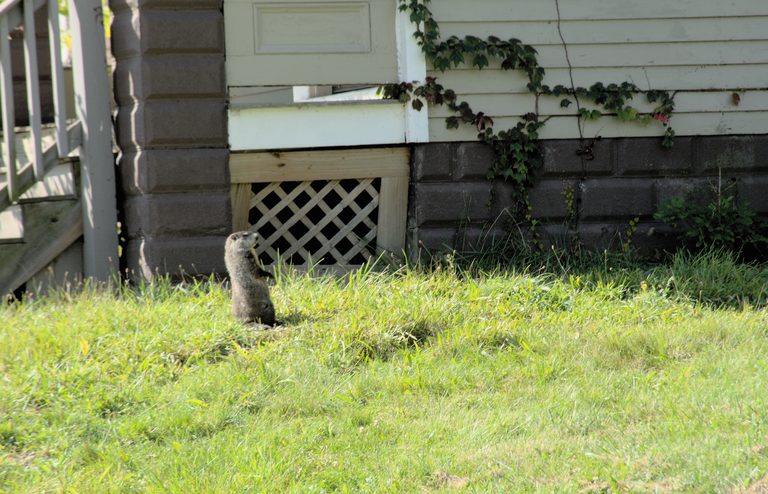
During the Oct. 28 Safety Committee meeting of the Cleveland City Council, officials reviewed several public‑safety divisions as the council prepares its 2027 budget. The discussion highlighted a proposed change to the city’s Nuisance Wildlife Pilot Program, which has traditionally focused on removing animals such as groundhogs and raccoons from private property.
From Removal to Co‑habitation
Animal Care & Control Manager Bruce Campbell noted that the shelter relies on about 40 volunteers who foster animals for adoption, and that the nonprofit Friends of City Dogs funds medical care. Chief Rachel Bryant explained that the number of animals removed each year has risen, indicating that the removal‑only approach is not working. She said the program will now emphasize co‑habitation, education and deterrence rather than strict removal.
Committee member Shachner warned that removal has “done more harm than good over the past 10 years,” adding that when one animal is taken away, others quickly move in to fill the gap. Bryant agreed, noting that wildlife are increasingly using human trash cans for easy food, avoiding their natural prey.
City Council member Viland clarified that the city will still request funding for the removal program in the 2027 budget, but the effort will run alongside the new co‑habitation initiatives.
Police Visibility and Enforcement
Deputy Chief Jarod Schlacht of the Division of Police reported a transition to more visible white‑zone patrol cars and the continued use of undercover vehicles. The STANCE (Street and Nuisance Crime Enforcement) unit has issued close to 1,800 citations this year. Councilmember Polensek asked why the city is moving toward visible cars when some jurisdictions use stealth vehicles. Schlacht responded that both visible and undercover options remain available.
Schlacht also highlighted that 63 individuals graduated from the police academy in 2026, a significant increase from the nine‑person classes of a few years ago. He said the department’s social‑media outreach is expanding to attract more recruits. Regarding diversity, Schlacht reported that 64% of recent recruit classes are minority candidates, and he affirmed that the department is actively recruiting within Cleveland, including low‑income neighborhoods.
Fire Department Diversity Efforts
Acting Chief Vince DiTeodoro, Battalion Chief Andrew Gorski, and Acting Assistant Chief Eric Seaberry presented the Division of Fire’s recruitment demographics over the past six years: 69.6% white males, 11.5% Black males, 9.9% Hispanic males, 3.6% white females, 1.3% Black females, and 0.3% Hispanic females. DiTeodoro said the department aims to reflect Cleveland’s overall population and outlined outreach efforts through the Cleveland Metropolitan School District and broader community engagement.
Councilmember Polensek warned that hazing or intimidation will not be tolerated, and Viland echoed that any such behavior would be deemed reprehensible and subject to termination. Councilmember Starr recalled that a consent decree in the 1970s raised Black firefighter representation from 4% to 20%, but noted a recent all‑white class in 2020 and asked for data on where diverse applicants are being filtered out.
Councilmember Howse‑Jones raised concerns about alleged racism and xenophobia in the current fire‑chief selection process, requesting a meeting with the mayor’s office. Councilmember Slife shared data showing that while applicant pools sometimes match the city’s diversity, the final hiring stages still produce overwhelmingly white‑male classes.
Other Public‑Safety Updates
The meeting also covered police drone usage, with eight to nine drones operating and a public transparency dashboard available for residents. Additionally, the council discussed challenges in recruiting crossing guards, noting that the part‑time nature of the role can conflict with other work schedules.
Overall, the Safety Committee’s review underscores Cleveland’s effort to balance effective public‑safety services with community values, diversity goals and fiscal responsibility as the city moves toward its 2027 budget cycle.
Original reporting: Signal Cleveland — read the source article.