The U.S. Department of Energy announced an emergency order on Nov. 15, 2026 that requires the J.H. Campbell Generating Plant in West Olive, Michigan, to remain available for operation during grid emergencies. The order, which runs through Feb. 12, 2027, directs the Midcontinent Independent System Operator (MISO) to work with Consumers Energy to ensure the coal‑fired facility can be called upon when needed.
Why the order matters for Michigan families
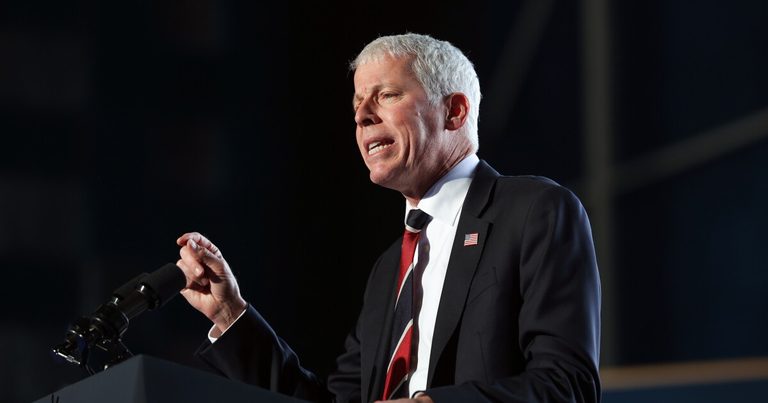
Secretary of Energy Chris Wright explained that keeping plants like Campbell online helps prevent power outages during periods of high electricity demand. “Americans deserve access to affordable, reliable, and secure electricity regardless of whether the wind is blowing or the sun is shining,” Wright said in a statement. The emergency order follows a joint report from the Federal Energy Regulatory Commission, the North American Electric Reliability Corporation, and regional reliability entities that highlighted the severe winter conditions of early 2026, including Winter Storm Fern.
Economic dispatch and grid stability
Under the order, the Campbell plant will operate under an economic dispatch system, which prioritizes lower‑cost generation while still maintaining grid reliability. The plant, originally slated to shut down on May 31, 2025—about 15 years before the end of its design life—will now stay on line to provide on‑demand power during extreme weather events.
Trump administration’s energy stance
The Trump administration has made preserving coal‑fired generation a cornerstone of its energy policy. The Energy Department reported that more than 17 gigawatts of coal capacity scheduled for retirement remained available in 2025, reflecting the administration’s commitment to a diversified energy mix that includes reliable baseload resources.
Local impact and future outlook
For residents of West Olive and the broader Midwest, the continued operation of the Campbell plant means an added layer of protection against blackouts that could threaten homes, schools, and businesses during harsh winter months. While the plant’s future beyond Feb. 2027 remains uncertain, the current order underscores the federal government’s willingness to intervene when grid reliability is at stake.
What’s next?
Federal officials will monitor grid conditions throughout the winter and may adjust the order if reliability improves or if alternative resources become available. In the meantime, Consumers Energy and MISO are tasked with coordinating the plant’s dispatch to ensure it is used efficiently and only when necessary.
Original reporting: FOX 17 WXMI Grand Rapids (local) — read the source article.