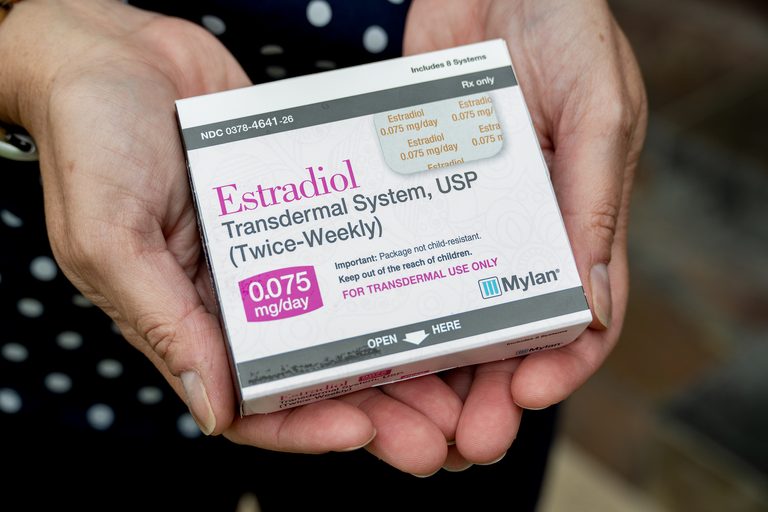
Fort Worth women are experiencing significant delays in obtaining estrogen patches, a key hormone therapy for menopause and perimenopause symptoms. Residents Jennifer Treviño, in her late 40s, and Leann Maxwell, 49, describe weeks‑long waits that have disrupted daily life and work responsibilities.
Personal impacts of the shortage
Treviño, a non‑smoker who enjoys a moderate diet, first noticed a decline in energy and persistent aches. After discussing her symptoms with her OB‑GYN, she was prescribed an estrogen patch, which provided immediate relief. When she needed a higher dose, the pharmacy took six weeks to fill the new prescription.
Maxwell faced a similar hurdle. After her pharmacy could not refill her twice‑weekly patch, she went nearly a month without any hormone therapy. The gap caused brain fog, itchiness, and a general sense of not feeling herself. Switching to a once‑weekly patch resulted in a rash and poor adhesion, and a gel formulation proved difficult to remember consistently.
Medical perspective
Dr. Carolyn Moyers, a board‑certified OB‑GYN in Fort Worth, explains that menopause can profoundly affect a woman’s ability to function at work and at home. “When you don’t recognize yourself anymore, it’s hard to show up for the people you need to, whether they’re a C‑suite executive or a full‑time mom,” she said.
According to Dr. Moyers, about 6,000 U.S. women enter menopause each day. Awareness of hormone therapy has grown, especially after the Food and Drug Administration removed most “black box” warnings for hormone replacement products last year. This increased demand has outpaced the current supply of FDA‑approved patches.
Supply chain challenges
The FDA reported in September that it is monitoring the shortage and offering assistance to manufacturers seeking to increase production. Over the past year, the supply of approved patches has nearly doubled, but the specialized equipment required for manufacturing limits how quickly capacity can expand.
Manufacturers are working to boost output by expanding production lines and increasing batch sizes. However, Dr. Moyers argues that the FDA should formally declare a shortage, which would incentivize manufacturers to accelerate production. “It’s almost as if we have to wait for it to be absolutely unavailable before they’ll put it on the shortage list,” she said.
Broader implications
The shortage has sparked criticism that women’s healthcare needs are often overlooked compared to men’s. Treviño noted, “I don’t think we’ve ever heard of a shortage of Viagra,” highlighting perceived disparities in pharmaceutical attention.
While the FDA has not officially labeled the situation a shortage, doctors, health officials, and patients nationwide continue to call for clearer action. The ongoing delays underscore the need for a more robust supply chain to ensure women can access essential menopause treatments without interruption.
Original reporting: Fort Worth Report — read the source article.