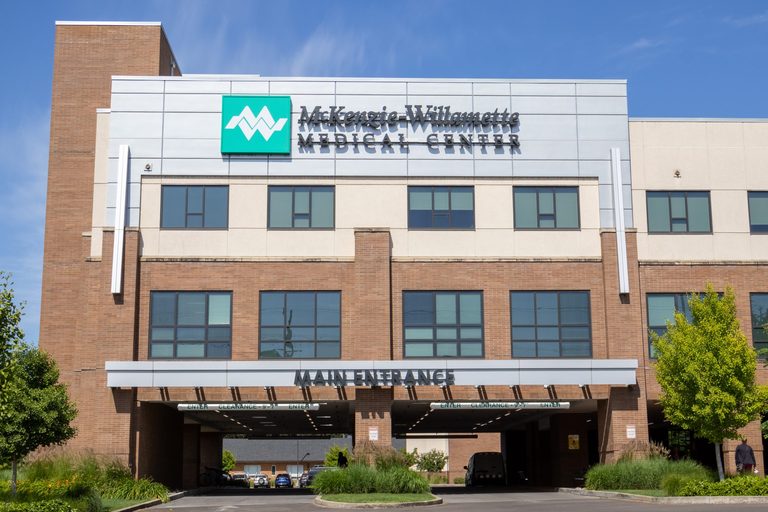
McKenzie‑Willamette Medical Center, a 113‑bed hospital that has served Springfield since 1955, is at a pivotal crossroads. After years of operating under the for‑profit chain Quorum Health, the hospital is preparing to transition to a not‑for‑profit structure called QKA Health Corp. (also known as Healthside Partners). The move is designed to stabilize the hospital’s finances and keep vital health services available to the community.
Why the nonprofit shift matters
In 2025 the hospital reported a loss of nearly $15 million, a reflection of broader financial strain across Oregon’s health system. Statewide, hospitals lost more than $450 million in 2025 and over $1.25 billion from 2022‑2025, according to the Hospital Association of Oregon. Rising expenses, low Medicaid reimbursements, and insurer payment delays have left many facilities struggling to stay open.
Hospital CEO Mark Robinson said, “Transitioning to not‑for‑profit is a move toward sustainability. It’s providing immediate cash flow back into this organization and the other organizations that will be part of Healthside Partners.” By converting to a nonprofit, McKenzie‑Willamette hopes to reduce debt service costs, attract charitable contributions, and align its mission more closely with community health needs.
Local government’s role
Lane County commissioners and Springfield city councilors are poised to approve a $179 million tax‑exempt bond issuance that will finance the nonprofit acquisition and fund a new 16,000‑square‑foot satellite emergency department in west Eugene. Under federal law, a local agency must endorse the bond, though the county will not assume any financial risk.
Commissioners and councilors have also negotiated a “payment in lieu of taxes” (PILOT) agreement that would keep property‑tax revenues flowing to local governments for at least seven years. The agreement would offset an estimated $2 million annual loss in property‑tax revenue that would otherwise result from the hospital’s change in ownership status.
“I think we have found a deal that is palatable for everybody and helps keep Springfield whole for seven years and the hospital open and all the jobs in place, which is what our priority is,” said Lane County Board Chair Ryan Ceniga.
Springfield Mayor Sean VanGordon added, “McKenzie‑Willamette is a major employer in Springfield and has a long history in this community. We need the hospital to be successful for our community to be successful.”
Financial details of the transition
QKA Health Corp. will purchase the hospital and nine other Quorum facilities in a transaction valued at $942 million, financed through a mix of public and private sources. Approximately $179 million of that amount is tied to the Oregon assets, including McKenzie‑Willamette.
The bond issuance is part of a larger $1.1 billion public‑bond measure covering all of Quorum’s hospital properties. While Lane County will not be on the hook for repayment, its endorsement is required to satisfy federal regulations.
Community impact
The proposed nonprofit model is expected to preserve hundreds of jobs and maintain critical health services for residents of Lane County and surrounding areas. It also aims to keep the hospital’s charitable mission front and center, ensuring that care remains accessible to the uninsured and under‑insured.
Willamalane Park and Recreation District, which would lose about $250,000 in annual tax revenue without the PILOT, expressed relief that the agreement offers a fair, seven‑year bridge while the district explores alternative revenue sources.
Looking ahead
Springfield councilors will vote on the resolution authorizing the city manager to work with Lane County on the PILOT agreement on November 16. County commissioners will consider the bond approval the following day. If both bodies move forward, the nonprofit transition could be finalized early next year, positioning McKenzie‑Willamette to better serve the health needs of the Springfield community.
Hospital leaders remain hopeful that state legislators will also address broader Medicaid funding challenges, which have placed additional pressure on Oregon’s health system. As Robinson noted, “I am hopeful that the government in Oregon, the legislators and the like are taking a hard look at what the issues are, and that there is help in the future.”
Original reporting: Homepage – Lookout Eugene-Springfield — read the source article.