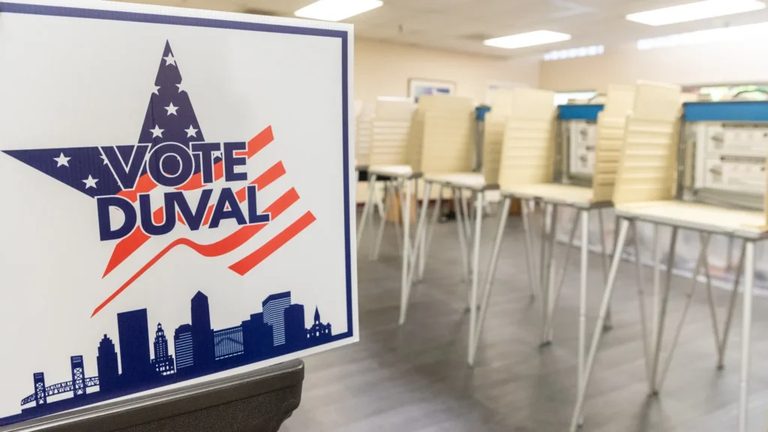
Duval County saw 55.1% of eligible voters cast ballots in the November 2026 midterm elections, a figure that helped lift Florida’s overall turnout to 60.9%—the second‑highest level in the past 30 years. For Jacksonville residents, the numbers signal robust civic engagement and a strong mandate for the policies on the ballot.
Secretary of State Cord Byrd praised the results, saying, “The turnout results, the percentage of turnout and the enthusiasm of people wanting to vote just proves that we are doing the right thing.” He added that more than 8 million Floridians participated, choosing representatives at every level of government.
Governor Ron DeSantis linked the high participation to Amendment 3, the property‑tax proposal his administration championed. DeSantis told reporters, “Had Amendment 3 not been on the ballot, you know I don’t know that we turn out the voters that we ended up turning out. People wanted to vote yes on that. And then many of them ended up voting Republican later on down the ballot.”
Amendment 3 was approved by nearly 62% of voters, expanding the non‑school homestead property‑tax exemption from $50,000 to $250,000 over two years. The measure is expected to lower property‑tax burdens for many Jacksonville homeowners, aligning with the administration’s focus on tax relief for families.
While Duval’s turnout was the lowest among Florida’s urban counties, it still exceeded the 50% threshold that all 67 counties surpassed. Turnout ranged from a high of 73.6% in Sumter County to a low of 51.9% in Santa Rosa County. Rural counties such as Hendry (52.4%) and Hardee (52.6%) also posted just over half of eligible voters casting ballots.
Two other constitutional amendments on the ballot were rejected, drawing about 100,000 fewer votes than the property‑tax measure. Approximately two‑thirds of the 8.3 million votes statewide were cast early, either by mail or at early‑voting sites, reflecting the continued popularity of convenient voting options.
What’s next: The unofficial results will be reviewed at the state Elections Canvassing Commission meeting on Nov. 17, where the final certification of all races and ballot measures will occur. Jacksonville voters can expect the newly approved property‑tax exemption to be implemented over the next two years, potentially easing household expenses and reinforcing the community’s economic stability.
Sources: jaxtoday.org