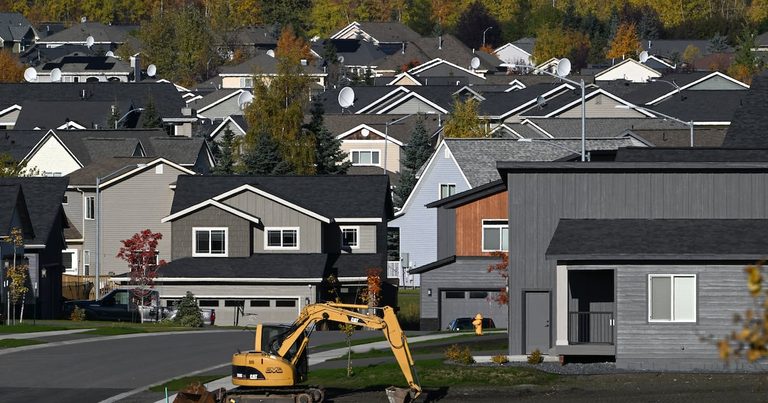
The Municipality of Anchorage reported that municipal planners issued about 530 building permits for a mix of single‑family homes, duplexes, triplexes and larger apartment buildings by the end of October 2026, the highest number in a decade, according to ADN.
More than half of those permits are for new multifamily units. The surge follows a 20‑year tax break approved by the Assembly in 2025 for housing projects with eight or more units, which exempts the building but not the land. Mayor Suzanne LaFrance said the incentive “makes it easier, faster, and less expensive for our private and nonprofit partners to build the housing our community needs.”
Developers have already cited the abatement as a catalyst. Anchorage‑based developer Shaun Debenham, who broke ground on the Raspberry Townhomes in the Sand Lake neighborhood this spring, said, “This property tax abatement, it’s significant enough that it moves the needle and makes the development pencil.” Raspberry Townhomes will offer one‑ and two‑bedroom rentals priced between $2,400 and $2,800 per month, targeting households earning 80 % to 120 % of the area median income of about $103,000 per year.
Cook Inlet Housing Authority completed Phase I of The Nest, an affordable project in East Anchorage, at the end of October. Staff have received 225 rental applications for the 24 apartments, and most units are already full, according to spokesperson Sezy Gerow‑Hanson.
Touchmark at Hillside, a new retirement community planned for South Anchorage, accounts for 120 of the 2026 permits. The development is not slated to open until 2029.
Beyond new construction, the city logged more than 600 major home and apartment renovations and rehabs in 2026. Permitted work must equal at least 25 % of the property’s appraised value or $25,000 per unit, whichever is greater, according to Graham Downey, deputy director of community and economic development.
Mayor LaFrance estimates Anchorage will need about 11,800 housing units over the next decade—roughly 3,100 new builds and 8,700 renovated or replaced homes—to meet demand. The need is amplified by Joint Base Elmendorf‑Richardson’s Fightertown Recapitalization program, which is projected to require an additional 2,500 two‑, three‑ and four‑bedroom homes by 2030.
The municipality has received seven applications for its tax‑break program from developers planning to fix up properties on the city’s vacant and abandoned list.
What’s next: The city will continue reviewing permit applications throughout 2027, with developers expected to break ground on several multifamily projects slated for completion in 2028 and beyond. Residents can monitor upcoming public hearings on housing policy at the Anchorage City Hall website.
Sources: adn.com